




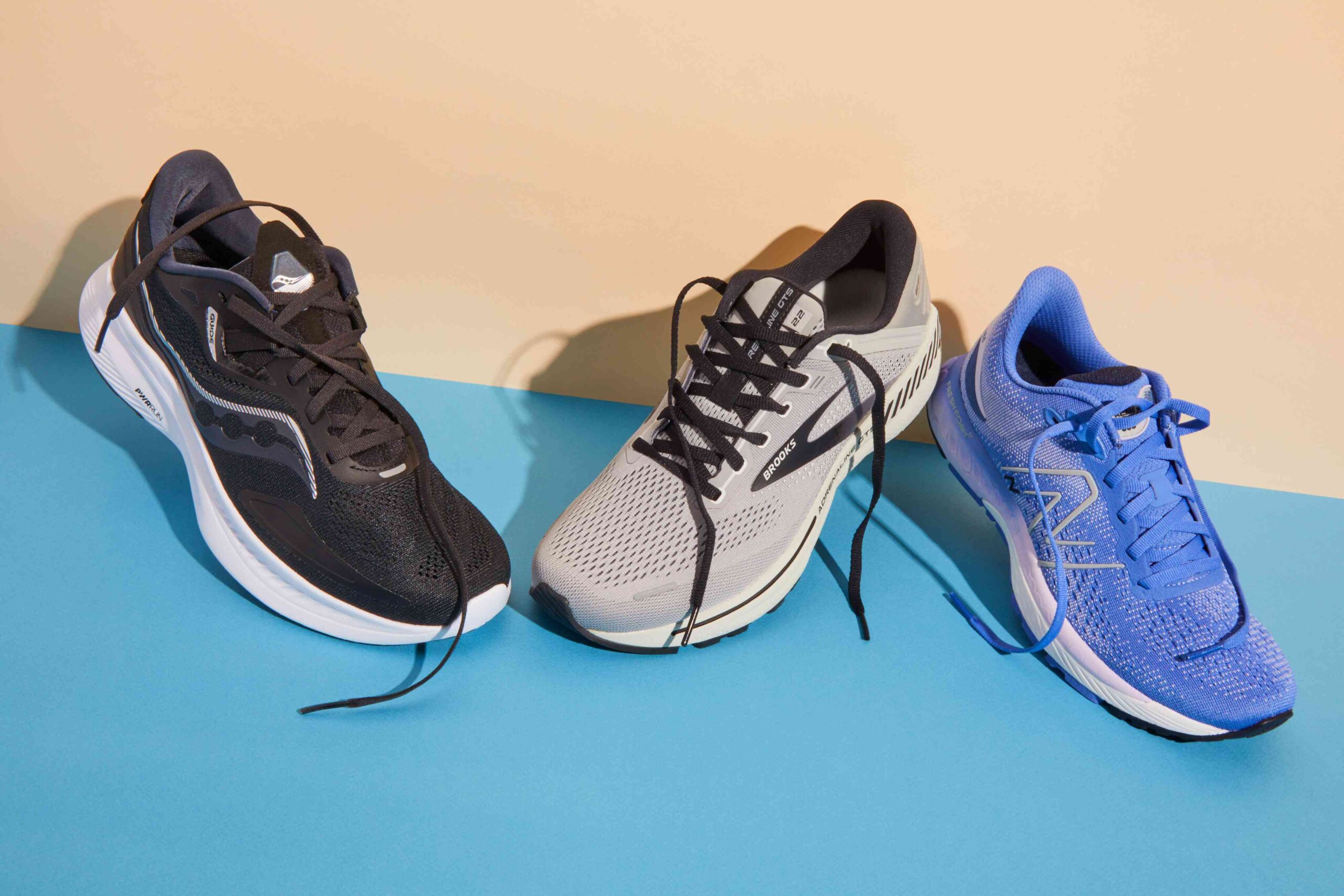
The global athletic shoe market is no longer just about sports. It’s a dynamic, multi-billion-dollar arena where cutting-edge innovation meets high fashion, driven by shifting consumer lifestyles and digital disruption. Once a simple category of functional footwear, it has evolved into a cultural and economic powerhouse.
Market in Motion: Size and Growth Drivers
Valued at over $100 billion globally and projected to grow steadily, the market’s expansion is fueled by several key trends:
-
The “Athleisure” Revolution: The blurring of lines between gym wear and everyday clothing is the single most significant driver. Consumers demand shoes that offer both technical performance for workouts and seamless style for casual wear.
-
Health and Wellness Consciousness: A global focus on fitness, supported by apps and wearables, has made athletic footwear a staple. Running, gym training, hiking, and walking sports see consistent demand.
-
Material and Technological Innovation: Brands compete fiercely on R&D. From Nike’s React and ZoomX foams to Adidas’s Boost and 4D midsole printing, cushioning and energy return are key battlegrounds. Sustainability is also a major innovation driver, with recycled materials (like Adidas’s Parley ocean plastic) and circular design models gaining traction.
-
The Direct-to-Consumer (DTC) & Digital Shift: E-commerce, brand apps, and social media marketing have transformed how shoes are sold and hyped. Limited-edition drops, app-exclusive access, and influencer partnerships create unprecedented demand and brand loyalty.
The Competitive Landscape: Titans vs. Challengers
The market is dominated by a few giants but energized by agile specialists:
-
The Big Two (Nike & Adidas): They command the largest shares through massive marketing budgets, iconic portfolios (e.g., Nike’s Air Jordan, Adidas’s Stan Smith), and control over premium retail and digital channels.
-
The Powerful Contender (Puma): Has successfully repositioned itself at the intersection of performance and streetwear, fueled by high-profile collaborations.
-
The Specialists: Brands like ASICS, New Balance, and Saucony leverage deep expertise in specific niches like running, leveraging “authentic” performance credibility. New Balance, in particular, has masterfully capitalized on the heritage and comfort trend.
-
The Disruptors: Companies like Hoka One One and On Running have exploded by focusing on distinct, visible technology (maximalist cushioning, CloudTec pods) and building cult-like followings. They prove that innovation can carve out significant market share.
-
The Fashion & Luxury Incursion: Brands like Lululemon (entering footwear with APL) and luxury houses (e.g., Balenciaga’s Trainer) further blur categories, emphasizing style and status.
Key Challenges and Headwinds
Despite its strength, the market faces pressures:
-
Supply Chain Volatility: Post-pandemic disruptions and geopolitical tensions highlight the risks of complex, globally distributed manufacturing.
-
Saturation and “Drop” Fatigue: The relentless pace of limited releases can overwhelm consumers and dilute brand equity if not managed carefully.
-
Sustainability Imperative: Consumers increasingly demand transparency and eco-friendly practices, pushing brands to overhaul material sourcing, manufacturing, and end-of-life recycling programs.
-
Counterfeit Proliferation: The high value and hype around sneakers have fueled a massive counterfeit market, especially online, damaging brand integrity.
Read More-
https://www.zionmarketresearch.com/de/report/calcium-sulphate-market
https://www.zionmarketresearch.com/de/report/laboratory-information-systems-market
https://www.zionmarketresearch.com/de/report/clear-aligners-market
https://www.zionmarketresearch.com/de/report/home-service-market
https://www.zionmarketresearch.com/de/report/business-intelligence-software-market
The Future: Laced with Innovation
Looking ahead, several trends will define the next chapter:
-
Hyper-Personalization: Using foot-scanning apps (like Nike’s Fit) and data to offer tailored shoe recommendations or even custom-fit, on-demand manufacturing.
-
Digital-Physical Fusion: The rise of Web3, including NFT-linked sneakers and virtual footwear for avatars in the metaverse, opens new revenue streams and marketing dimensions.
-
Circular Economy Models: Brands will invest more in take-back programs, refurbishment, and designing shoes that are easier to disassemble and recycle, moving from “own to use.”
-
Expansion of Niche Sports: As activities like trail running, hiking, and pickleball grow, specialized footwear for these segments will see outsized growth.
Conclusion
The athletic shoe market is a mirror reflecting broader societal shifts: our desire for health, expression, convenience, and responsibility. Success no longer belongs to companies that just make the best performance shoe. It belongs to those that can simultaneously master biomechanical engineering, cultural storytelling, digital engagement, and sustainable design. In this race, the finish line is constantly moving, powered by the next step in innovation and the ever-changing beat of consumer culture.