





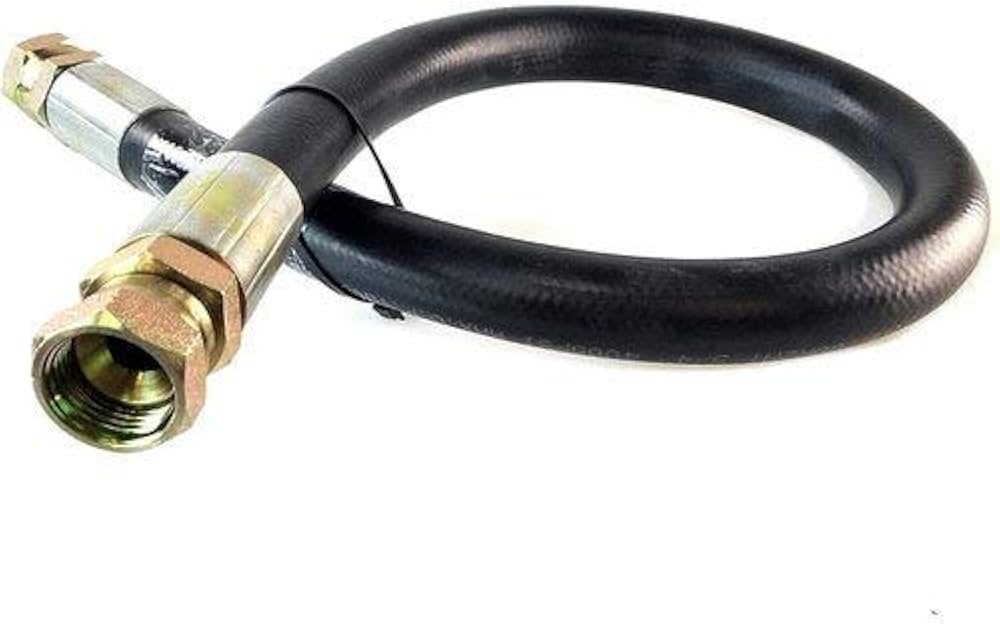
In the unseen arteries of modern civilization—from the sinewy arms of construction excavators to the precise movements of factory robots—flows the lifeblood of hydraulic power. At the core of this power transmission are hydraulic hoses, specialized conduits designed to convey high-pressure fluid. Far from a commodity product, the hydraulic hose market is a dynamic sector experiencing significant transformation, driven by industrial growth, technological advancement, and evolving end-user demands.
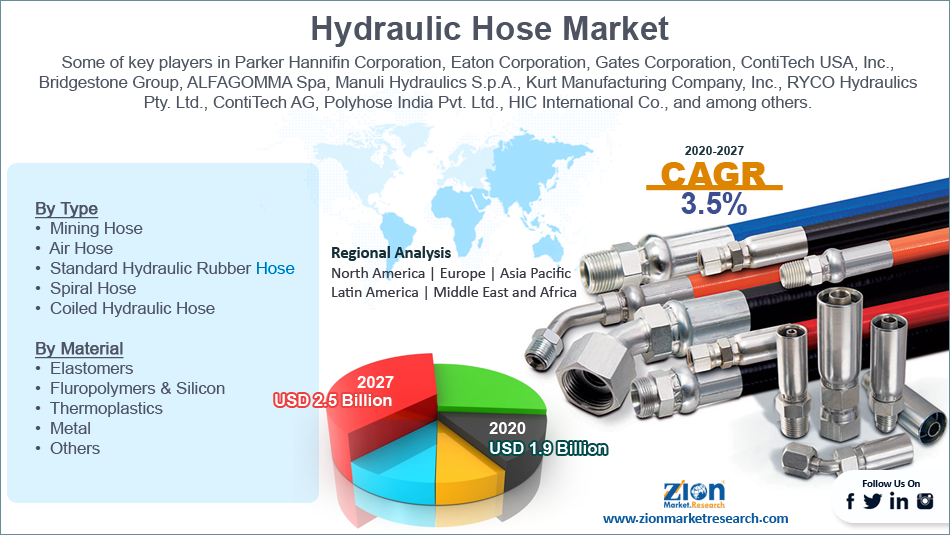
Market Overview: Steady Growth Under Pressure
The global hydraulic hose market is on a robust growth trajectory. Valued at approximately USD 12-14 billion in 2023, it is projected to expand at a Compound Annual Growth Rate (CAGR) of 4-6% through 2030. This growth is fundamentally tied to the health of core industries:
-
Construction & Infrastructure: Global infrastructure development and urbanization are key drivers.
-
Agriculture: Increased mechanization and demand for advanced agricultural equipment.
-
Mining: Reliable, durable hose systems are critical for heavy-duty mining machinery.
-
Oil & Gas: Requires specialized, high-specification hoses for extreme environments.
-
Manufacturing: Automation and the rise of industrial robotics increase demand for precision hose and tubing.
Key Drivers Fueling Demand
-
Industrialization & Automation: The global push towards Industry 4.0 and smart manufacturing necessitates reliable fluid power components. Automated production lines and robotics rely on durable, leak-free hydraulic systems for precision and uptime.
-
Aftermarket Dominance: Hydraulic hoses are wear components with a finite lifecycle. The massive installed base of hydraulic machinery worldwide creates a consistent, resilient aftermarket demand, often less sensitive to economic cycles than OEM demand.
-
Demand for Efficiency & Downtime Reduction: End-users increasingly prioritize total cost of ownership. This favors high-quality, longer-lasting hoses that minimize catastrophic failures and unplanned downtime, which is far more costly than the hose itself.
-
Stringent Safety and Environmental Regulations: Regulations like the European Pressure Equipment Directive (PED) and a global focus on preventing fluid leaks drive the adoption of higher-standard hoses and safer, bio-degradable hydraulic fluids, which in turn require compatible hose materials.
Challenges and Constraints
-
Raw Material Price Volatility: The market is sensitive to fluctuations in the prices of key inputs like synthetic rubber (NBR, CR), thermoplastics, and steel wire for reinforcement.
-
Competition from Alternative Technologies: In some applications, especially where leakage is unacceptable, there is a gradual shift towards steel tubing or hybrid hose-and-tube systems for certain fixed lines.
-
Skilled Labor Shortage: Proper hose assembly, routing, and installation are critical for performance and safety. A shortage of trained technicians can impact market quality and adoption.
-
Intense Price Competition: The presence of numerous regional and local manufacturers, particularly in Asia-Pacific, creates price pressure on global players.
Major Trends Shaping the Future
-
Smart Hoses and Condition Monitoring: The integration of sensor technology is the frontier of innovation. Embedded sensors can monitor pressure spikes, temperature extremes, and even predict impending failures, enabling predictive maintenance.
-
Material Science Advancements: Development of new elastomer compounds and thermoplastics that offer better flexibility, chemical resistance, and higher temperature ranges. There is also a push towards more environmentally friendly materials.
-
Lightweighting: Particularly in mobile equipment (agriculture, aerospace), reducing hose weight without sacrificing pressure rating contributes directly to improved fuel efficiency and machine performance.
-
Customization and Value-Added Services: Leading manufacturers are moving beyond product sales to offer complete solutions: design assistance, assembly services, inventory management (hose parlors), and kitting for specific machines.
Regional Landscape
-
Asia-Pacific: The dominant and fastest-growing region, fueled by China, India, and Southeast Asia’s massive industrial and construction activity.
-
North America & Europe: Mature markets characterized by high replacement demand and a swift adoption of advanced, high-value products and smart technologies.
-
Rest of the World: Regions like Latin America and the Middle East & Africa show promising growth linked to natural resource extraction and infrastructure projects.
Competitive Landscape
The market is fragmented, featuring a mix of:
-
Global Titans: Players like Parker Hannifin, Eaton, Gates Corporation, Manuli Hydraulics, and Bridgestone (Firestone) who offer full-system expertise and global distribution.
-
Strong Specialists: Companies like Kurt Hydraulics, Polyhose, and RYCO Hydraulics that hold significant regional or application-specific strength.
-
Regional & Local Manufacturers: Numerous players, especially in Asia, competing primarily on cost.
Competition is increasingly based on technical service, product innovation, and distribution network reach rather than price alone.
Read More-
https://www.zionmarketresearch.com/de/report/eye-lens-market
https://www.zionmarketresearch.com/de/report/cryogenic-equipment-market
https://www.zionmarketresearch.com/de/report/therapeutic-vaccines-market
https://www.zionmarketresearch.com/de/report/respiratory-disease-testing-market
https://www.zionmarketresearch.com/de/report/augmented-reality-market
https://www.zionmarketresearch.com/de/report/peripheral-guidewire-market
Conclusion: A Market Built to Last
The hydraulic hose market is more than just tubing; it is an essential enabler of industrial motion. While foundational industries will continue to provide stable demand, the future belongs to manufacturers who innovate—not just in material strength, but in intelligence, sustainability, and total system support. As the world builds, harvests, and manufactures, the need to transmit hydraulic power reliably and efficiently will only grow, ensuring this market remains under healthy pressure for the foreseeable future.