




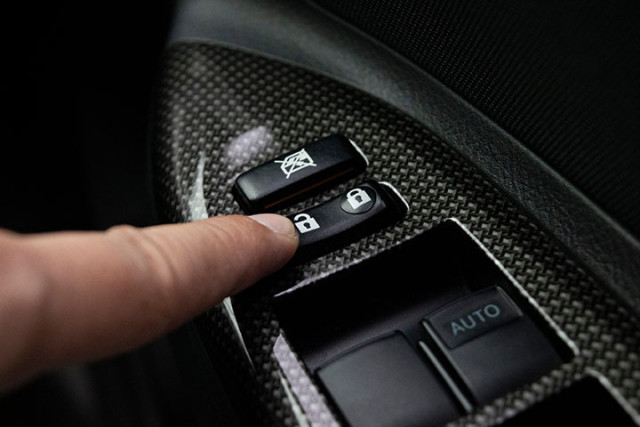
The humble automotive switch—the interface for lights, windows, climate, and ignition—is undergoing a quiet revolution. Once purely electromechanical components, switches are now critical touchpoints in the digital cockpit, integral to advanced safety systems, and key differentiators in user experience. Driven by vehicle electrification, autonomous driving trends, and rising consumer expectations for comfort, the global automotive switch market is steering toward significant transformation and growth.
Market Drivers: What’s Powering the Change?
-
Vehicle Electrification: The rise of Electric Vehicles (EVs) and Hybrid Electric Vehicles (HEVs) creates new requirements. Traditional ignition switches are replaced by start/stop buttons and sophisticated power management controls. Regenerative braking systems and multi-mode driving selectors (Eco, Sport, Normal) demand new, reliable switch solutions.
-
Increased Safety and ADAS Regulations: Government mandates for advanced driver-assistance systems (ADAS) like automatic emergency braking and lane-keeping assist are proliferating globally. This fuels demand for steering-mounted switches that allow drivers to control these functions without losing focus on the road.
-
Premiumization and Enhanced User Experience: Consumers expect a sleek, “smartphone-like” interface. This pushes adoption of capacitive touch switches, haptic feedback panels, and illuminated smart surfaces that offer a premium look and feel. The integration of switches with infotainment systems is becoming seamless.
-
Rising Vehicle Production and Complexity: Despite short-term disruptions, long-term global vehicle production, especially in emerging Asia-Pacific markets, continues to expand. Each new model, with more features, requires a broader array of switching solutions.
Key Segments in Focus
-
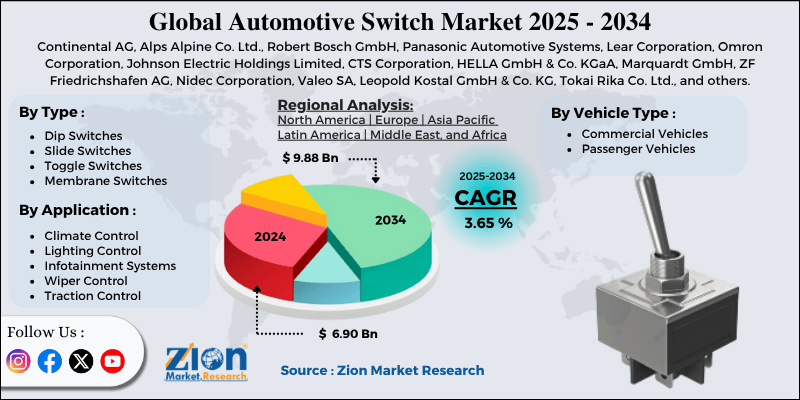
By Product Type: Steering wheel switches, ignition switches, window switches, overhead console switches, and seat control switches remain dominant. The steering wheel segment is growing fastest due to ADAS integration.
-
By Vehicle Type: The passenger car segment holds the largest share, but the commercial vehicle segment is gaining traction with the electrification of buses and trucks and heightened focus on driver ergonomics.
-
By Design: Conventional electromechanical switches still dominate due to their reliability and tactile feedback. However, the capacitive and touch-based switch segment is forecast for the highest CAGR (Compound Annual Growth Rate), driven by demand for minimalist, customizable interiors.
Regional Landscape: A Global Roadmap
-
Asia-Pacific is the undisputed leader and growth engine, accounting for the largest market share. This is fueled by massive automotive production in China, Japan, and South Korea, alongside rapidly expanding EV adoption and a burgeoning middle class in India and Southeast Asia.
-
Europe follows closely, driven by stringent safety regulations, a strong premium vehicle segment, and aggressive EV mandates from the European Union.
-
North America remains a major market, with high demand for premium features, pickup trucks, and SUVs, alongside growing EV investments.
Challenges on the Road Ahead
-
Cost Pressures: Automakers face relentless cost optimization demands, squeezing switch suppliers to deliver more innovation at competitive prices.
-
Reliability in Harsh Environments: Switches must perform flawlessly across extreme temperatures, humidity, and vibrations, especially with the extended warranties on EVs.
-
Cybersecurity Concerns: As switches become more integrated with vehicle electronic architectures, they represent potential vulnerabilities that must be secured against hacking.
-
Tactile vs. Touch Interface Debate: While touch panels are stylish, many drivers still prefer the unambiguous physical feedback of a mechanical switch for critical functions while driving. Balancing design with functional safety is key.
The Future: Intelligent Surfaces and Voice Integration
The future points toward “smart surfaces” where switches are invisible, integrated into seamless interior trim, and only illuminate when needed. Proximity sensing and adaptive lighting will enhance usability. Furthermore, the role of the physical switch will evolve alongside voice control. The goal is a multi-modal interface: voice for complex commands, steering switches for critical driving functions, and smart surfaces for climate and comfort—all working in harmony.
Read More-
https://www.zionmarketresearch.com/de/report/smart-dictation-systems-market
https://www.zionmarketresearch.com/de/report/acute-respiratory-infection-market
https://www.zionmarketresearch.com/de/report/zero-carbon-shipping-market
https://www.zionmarketresearch.com/de/report/commercial-aircraft-seating-market
https://www.zionmarketresearch.com/de/report/lethal-weapons-market
https://www.zionmarketresearch.com/de/report/pulp-and-paper-automation-market
Conclusion
The automotive switch market is far more than a collection of buttons. It is at the intersection of design, safety, electronics, and human-machine interface (HMI) philosophy. As vehicles become more connected, electric, and automated, the switch will continue to be a vital component in the driving experience. Suppliers and automakers who innovate in materials, integration, and intelligent feedback will lead the market, ensuring that even in the age of autonomy, the driver remains seamlessly in control. The road ahead is intelligent, integrated, and interactive.