




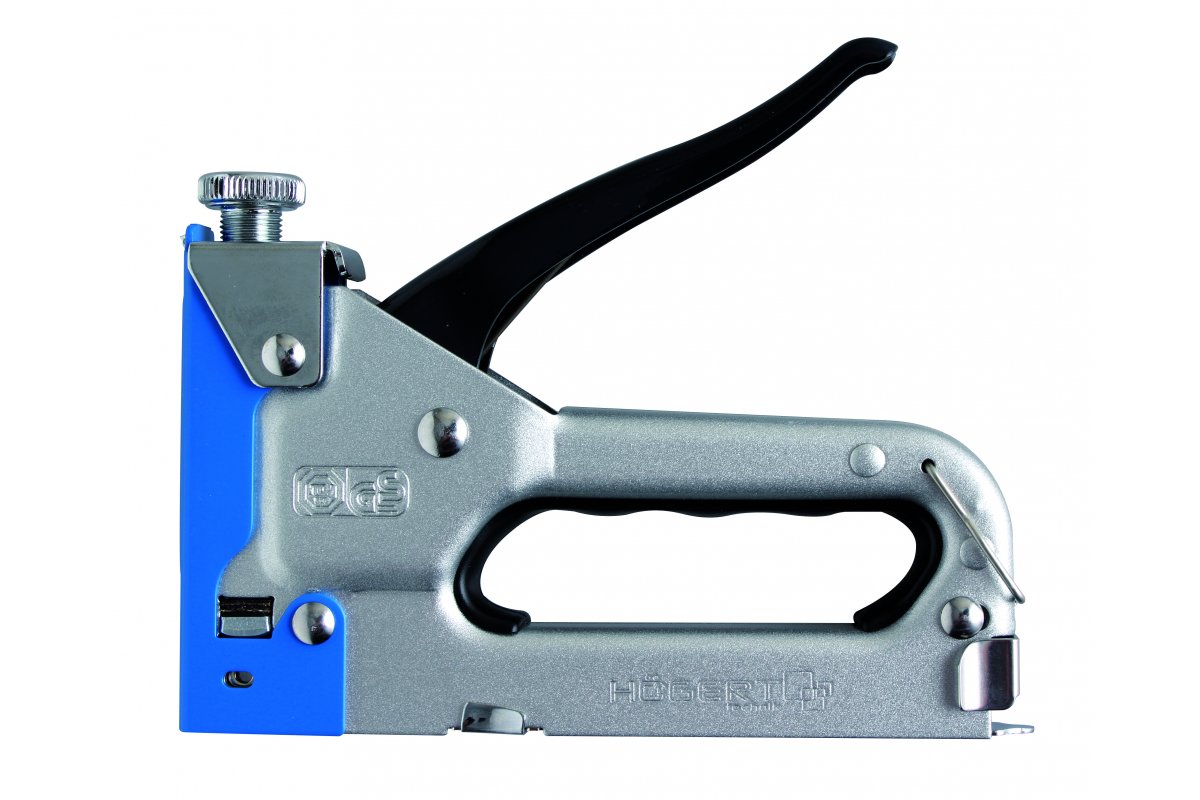
The staple gun, a deceptively simple tool found in countless American garages, workshops, and construction sites, represents a mature yet dynamically evolving segment of the power tools market. Far from being a commodity afterthought, the U.S. staple gun market is a microcosm of broader trends in DIY culture, professional tool innovation, and material science. This article explores the key drivers, segmentations, competitive landscape, and future trajectory of this essential market.
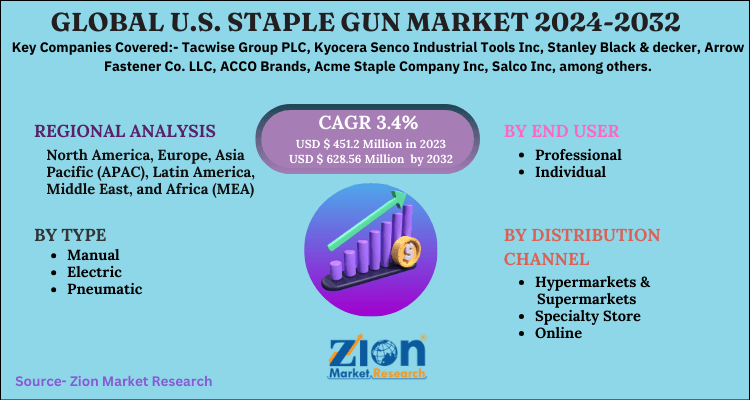
Market Overview and Key Segments
The us staple gun market is estimated to be a multi-hundred million dollar industry, consistently fueled by steady demand from both professional and consumer sectors. The market is primarily segmented by power source and application:
-
Manual Staple Guns: The entry-level workhorse. Durable, low-cost, and portable, they dominate the casual DIY segment for light upholstery, crafts, and minor home repairs. Brands like Arrow Fastener (a classic American name) hold iconic status here.
-
Electric Staple Guns:
-
Corded: Offer consistent power for extended tasks like insulation, ceiling tile installation, and fabric-based projects. They are a mainstay for semi-professionals and serious DIYers.
-
Cordless (Battery-Powered): The fastest-growing segment, driven by the broader revolution in lithium-ion battery technology shared by the entire power tool industry. Brands like DeWalt, Milwaukee, and Makita have integrated staple guns into their cordless ecosystems, making them indispensable for professionals who value mobility and efficiency on job sites.
-
-
Pneumatic (Air-Powered) Staple Guns: The undisputed choice for high-volume professional applications—cabinet making, roofing, fencing, furniture manufacturing, and upholstery. They offer superior power-to-weight ratio, rapid fire rates, and exceptional durability. The market here is tied to industrial and residential construction cycles.
Key Market Drivers
-
Resilient DIY & Home Improvement Culture: The post-pandemic surge in home-centric spending has sustained demand. Platforms like Pinterest, YouTube, and TikTok continuously inspire renovation and craft projects, putting staple guns in more hands.
-
Construction and Remodeling Activity: As a leading indicator, healthy levels of housing starts, remodeling permits, and commercial construction directly drive sales, particularly of professional-grade pneumatic and cordless tools.
-
Material Innovation & Applications: New insulation materials, composite trim, synthetic landscaping fabrics, and modern upholstery materials often require specific fastening solutions, pushing tool and fastener manufacturers to innovate.
-
The Cordless Ecosystem Lock-In: Major tool brands leverage their battery platforms to create loyal customers. A contractor invested in the DeWalt 20V MAX system is highly likely to choose a DeWalt cordless staple gun, driving recurring sales within the brand ecosystem.
Competitive Landscape
The market features a clear tiered structure:
-
Professional/Industrial Tier: Dominated by BOSTITCH (a Stanley Black & Decker company) and DEWALT (also SBD), with strong players like Milwaukee Tool (TTI), Makita, and Senco. Competition is fierce, focusing on durability, power, fastener compatibility, and integration into tool systems.
-
Consumer/DIY Tier: Arrow Fastener holds significant brand equity. Stanley and CRAFTSMAN (SBD), Ryobi (TTI), and PORTER-CABLE are also major players, competing on price, accessibility at big-box retailers like The Home Depot and Lowe’s, and ease of use.
Emerging Trends Shaping the Future
-
Ergonomics and User Safety: Reduced kickback, lighter materials (magnesium, advanced composites), and improved grip designs are key differentiators, reducing user fatigue—a critical factor for professionals.
-
Smart Features and Connectivity: While nascent, some high-end models are incorporating tool-tracking (via Bluetooth), usage analytics, and automatic depth adjustment, aligning with Industry 4.0 trends in professional tooling.
-
Focus on Fastener Specificity: The tool is increasingly part of a system. Manufacturers are designing guns optimized for their own branded fasteners (e.g., DeWalt’s proprietary magazine for Type C screws), creating a lucrative aftermarket for consumables.
-
Sustainability Pressures: While minimal, there is growing attention on the lifecycle of tools (battery recycling programs) and the sourcing of materials, which may influence procurement for large contractors and environmentally conscious consumers.
Challenges and Constraints
-
Market Saturation & Price Sensitivity: The consumer segment is highly price-competitive, with low-cost imports pressuring margins.
-
Economic Cyclicality: Professional tool sales are vulnerable to economic downturns and slowdowns in the construction sector.
-
Supply Chain for Critical Components: Reliance on global supply chains for motors, electronics, and certain metals can lead to volatility, as seen during recent global disruptions.
The Future Outlook
The U.S. staple gun market is on a path of targeted sophistication. Growth will not come from selling more basic manual guns, but from:
-
Upselling the DIYer from manual to entry-level cordless models.
-
Capturing Professional Loyalty through superior, system-integrated cordless and pneumatic tools.
-
Innovating for Niche Applications in landscaping, HVAC, and crafting.
Read More-
https://www.zionmarketresearch.com/de/report/zero-emission-trucks-market
https://www.zionmarketresearch.com/de/report/lead-market
https://www.zionmarketresearch.com/de/report/sip-trunking-market
https://www.zionmarketresearch.com/de/report/automotive-adaptive-front-lighting-market
https://www.zionmarketresearch.com/de/report/automotive-switches-market
https://www.zionmarketresearch.com/de/report/alginate-dressings-market
https://www.zionmarketresearch.com/de/report/automotive-overhead-console-market
https://www.zionmarketresearch.com/de/report/golf-simulators-market
In conclusion, the U.S. staple gun market is a testament to the idea that even the most established tools are not immune to innovation. It is evolving from a market selling standalone tools to one providing integrated fastening solutions, driven by battery technology, user-centric design, and the enduring American spirit of building and repairing. The future belongs to brands that can effectively bridge the gap between brute-force fastening and intelligent, application-specific performance.