



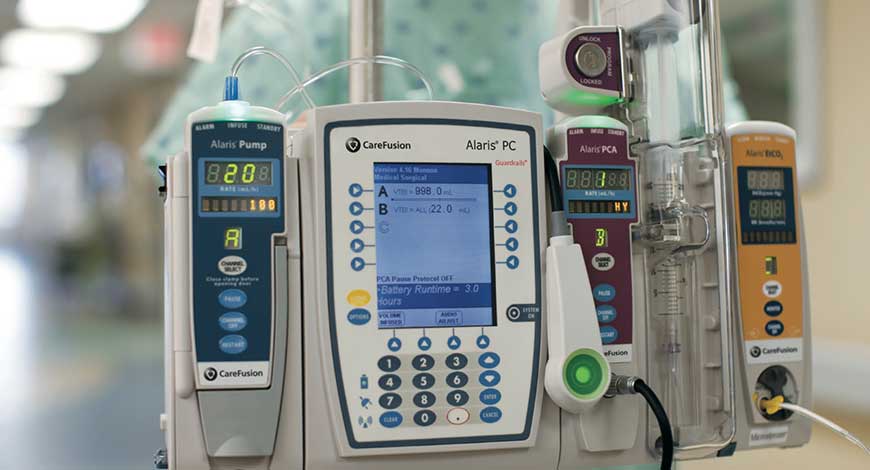
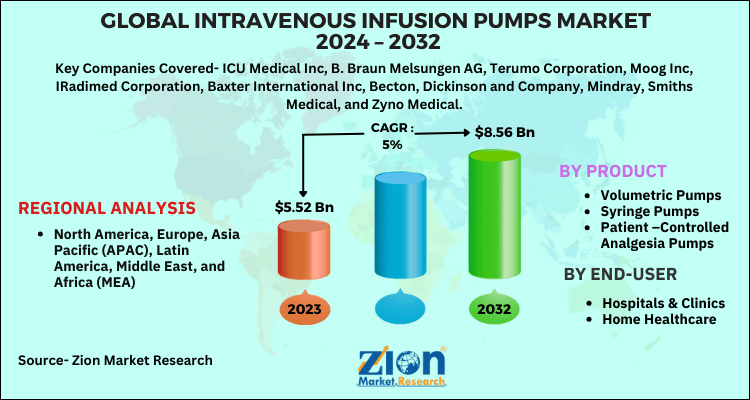
The global intravenous infusion pumps market, a critical backbone of modern healthcare delivery, is undergoing a significant transformation. Valued at approximately USD 14.5 billion in 2023, the market is projected to grow at a compound annual growth rate (CAGR) of 6.8% to 8.2% through 2030, potentially reaching over USD 22 billion. This growth is fueled by an aging global population, rising incidences of chronic diseases like cancer and diabetes, advancements in pump technology, and a powerful shift towards home-based care and smart hospital infrastructure.
1. Market Drivers: Why the Demand is Surging
Several key factors are propelling the IV infusion pumps market forward:
-
Rising Chronic Disease Burden: The increasing prevalence of conditions requiring continuous or complex drug therapy—such as chemotherapy, parenteral nutrition for gastrointestinal disorders, and antibiotic treatments for resistant infections—directly drives demand for precise infusion devices.
-
Aging Population: Older adults have a higher susceptibility to chronic illnesses and often require hospitalization or long-term therapies, making infusion pumps indispensable.
-
Technological Advancements: The shift from traditional mechanical pumps to smart pumps with dose error reduction software (DERS), drug libraries, and connectivity features is a major upgrade cycle happening in hospitals globally, enhancing patient safety and workflow efficiency.
-
Expansion of Home Healthcare: A major trend accelerated by the COVID-19 pandemic. Patients and providers alike prefer cost-effective, comfortable home-based care for long-term therapies. Ambulatory infusion pumps, which are portable and battery-operated, are experiencing the fastest growth within the product segment.
-
Stringent Patient Safety Regulations: Regulatory bodies (FDA, CE) are mandating features that reduce medication errors, a leading cause of in-hospital adverse events. This is compelling healthcare facilities to replace outdated models with next-generation smart pumps.
2. Market Segmentation: A Diverse Ecosystem
The market can be broken down by product type, application, end-user, and region.
-
By Product Type:
-
Volumetric Pumps: The largest segment, widely used for general hydration and nutrition in hospitals.
-
Syringe Pumps: Preferred for low-volume, high-precision delivery (e.g., neonatal ICUs, anesthesia).
-
Ambulatory Pumps: The fastest-growing segment, enabling patient mobility for chemotherapy, pain management, and immunoglobulin therapy at home.
-
Insulin Pumps: Often considered a specialized sub-category for diabetes management.
-
Enteral Pumps: For nutritional support directly into the gastrointestinal tract.
-
-
By Application: Oncology/Chemotherapy, Diabetes Management, Gastroenterology, Pediatrics/Neonatology, Analgesia, and others.
-
By End-User: Hospitals & Clinics (the dominant segment), Home Care Settings, Ambulatory Surgical Centers (ASCs).
-
By Region: North America (currently leads due to high healthcare spending and early tech adoption), Europe (strong regulatory framework), Asia-Pacific (projected highest CAGR due to improving healthcare infrastructure, large patient pools, and rising medical tourism), and Rest of the World.
3. Key Trends Shaping the Future
-
Integration with Hospital Ecosystems: Modern IV pumps are no longer standalone devices. They are becoming nodes in the Internet of Medical Things (IoMT), integrating with Electronic Health Records (EHRs), hospital pharmacy systems, and centralized monitoring stations. This allows for remote monitoring, predictive maintenance, and data analytics for improved clinical outcomes.
-
Wireless Connectivity & Telemedicine: Bluetooth and Wi-Fi-enabled pumps allow clinicians to adjust infusion parameters remotely and receive alerts, which is crucial for both busy hospital floors and remote patient management in home care.
-
Focus on Cybersecurity: As pumps become more connected, they are potential targets for cyber threats. Manufacturers are investing heavily in robust cybersecurity protocols to protect patient data and device functionality.
-
Disposable and Cost-Effective Models: There is growing demand in emerging economies for reliable, lower-cost pumps, as well as an increase in the use of disposable infusion devices to prevent cross-contamination.
4. Challenges and Restraints
The market faces notable headwinds:
-
High Cost of Advanced Pumps: Smart pumps represent a significant capital investment for healthcare facilities, potentially slowing adoption in budget-constrained settings.
-
Stringent Regulatory Hurdles: Obtaining regulatory approvals for new, connected devices is a complex and time-consuming process.
-
Risk of Recalls and Device Errors: Pump malfunctions or software issues can lead to large-scale recalls, impacting brand reputation and patient safety.
-
Lack of Skilled Professionals: Effective operation and troubleshooting of advanced pumps require continuous training for nursing staff and home caregivers.
5. Competitive Landscape
The market is consolidated with a mix of global giants and specialized players. Key strategies include product innovation, strategic mergers & acquisitions, and expanding geographic presence.
-
Major Players: Becton, Dickinson and Company (BD), B. Braun Melsungen AG, Baxter International Inc., Fresenius SE & Co. KGaA, and ICU Medical, Inc. (which acquired Smiths Medical).
-
Emerging Focus: Companies are heavily investing in R&D to develop smarter, more user-friendly, and integrated systems. Partnerships with software and analytics firms are also common.
6. The Road Ahead: Outlook to 2030
The future of the IV infusion pump market is intelligent, connected, and patient-centric. Growth will be strongest in the ambulatory pumps segment and the Asia-Pacific region. The convergence of AI and machine learning could lead to predictive pumps that adjust infusion rates based on real-time patient vitals. Furthermore, the shift towards value-based healthcare will emphasize devices that not only deliver therapy but also contribute to data-driven care pathways, reduce hospital readmissions, and improve overall patient quality of life.
Read More-
https://www.zionmarketresearch.com/de/report/agriculture-nets-market
https://www.zionmarketresearch.com/de/report/rheumatology-therapeutics-market
https://www.zionmarketresearch.com/de/report/palm-kernel-oil-market
https://www.zionmarketresearch.com/de/report/master-data-management-market
https://www.zionmarketresearch.com/de/report/predictive-analytic-market
https://www.zionmarketresearch.com/de/report/soil-treatment-market
Conclusion
The intravenous infusion pumps market is at a pivotal point, transitioning from a simple drug delivery tool to a central component of digital health infrastructure. Driven by demographic pressures, technological innovation, and the unstoppable trend of home care, the market’s expansion is assured. Success for manufacturers and healthcare providers will hinge on embracing connectivity, prioritizing cybersecurity, and ensuring that the march of technology ultimately delivers safer, more efficient, and more accessible care for patients worldwide.