



The eye lens market, a critical segment within the broader vision care industry, is far more than just a prescription business. It is a vibrant ecosystem driven by technological innovation, demographic shifts, and increasing consumer awareness about eye health. From correcting common refractive errors to managing presbyopia and cataracts, advanced lenses are enhancing the quality of life for millions worldwide.
Market Overview and Key Drivers
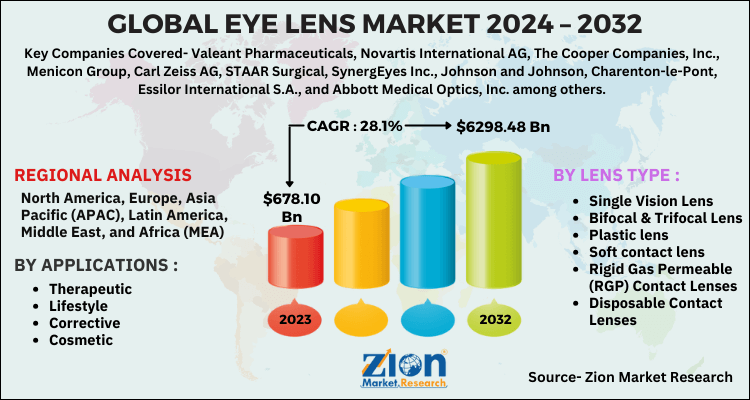
The global eye lens market is on a robust growth trajectory, projected to reach a value of over USD 60 billion by 2030, expanding at a compound annual growth rate (CAGR) of approximately 6-7%. This growth is fueled by several interconnected factors:
-
Demographic Inevitability: The global aging population is a primary engine. As people age, the prevalence of presbyopia (age-related near-vision loss) and cataracts increases dramatically, creating sustained demand for progressive lenses, reading glasses, and intraocular lenses (IOLs).
-
Digital Lifestyle Proliferation: The rise of screen time has led to a surge in digital eye strain and myopia (nearsightedness), particularly among younger generations. This has accelerated the need for corrective lenses and specialized products like blue light filtering and anti-fatigue lenses.
-
Technological Renaissance: Innovation is reshaping the market. Advanced materials (like Trivex and high-index plastics), cutting-edge designs (freeform digital lenses), and integrated features (photochromic, polarization) are creating higher-value, customized products.
-
Rising Healthcare Awareness: Increased access to eye care, government initiatives in developing regions, and a growing middle class with disposable income are bringing more people into the vision correction fold.
-
Fashion and Personalization: Eyewear has become a key fashion accessory. This trend pushes demand for a variety of lens types (including plano/sunglass lenses) that are thin, lightweight, and compatible with trendy frame designs.
Segmentation: A Diverse Landscape
The market can be segmented in multiple ways:
-
By Product Type:
-
Spectacle Lenses: Dominating the market share, including single-vision, bifocal, progressive, and specialized lenses.
-
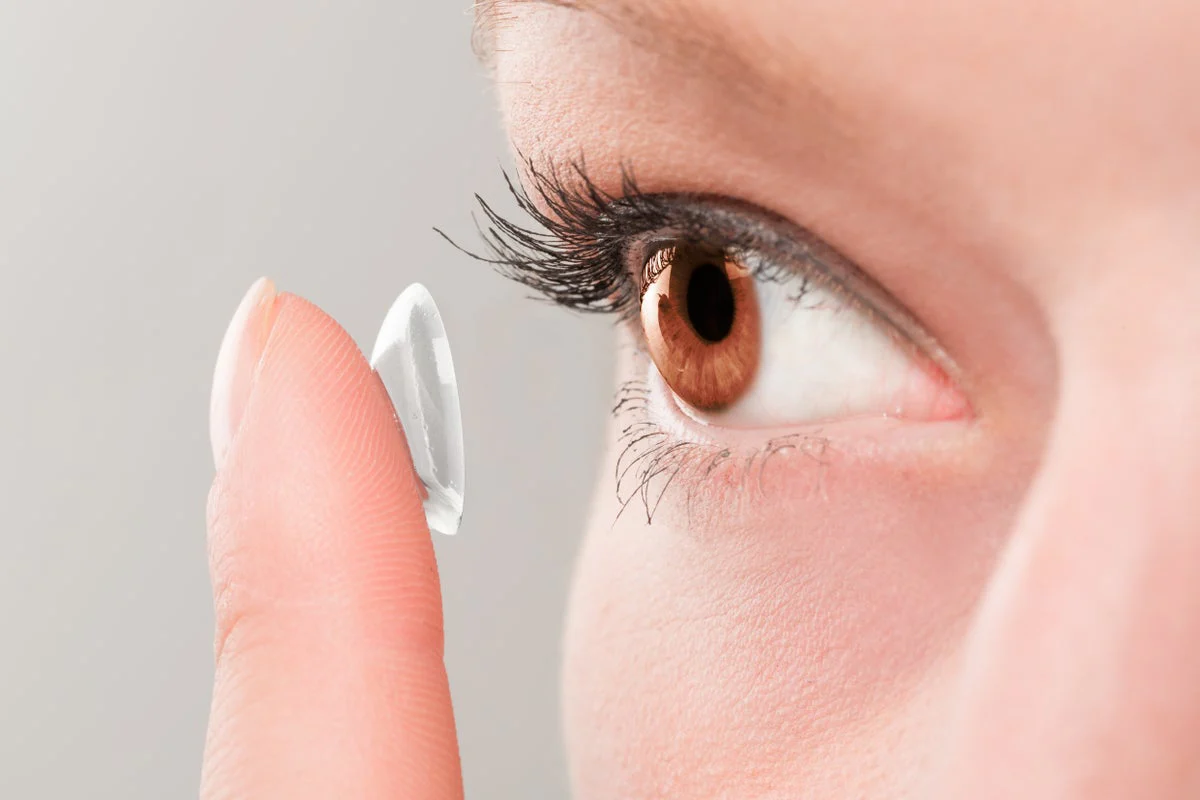
Contact Lenses: Growing segment with daily disposables, silicone hydrogel materials, and cosmetic lenses.
-
Intraocular Lenses (IOLs): A high-growth, high-innovation segment for cataract surgery, featuring monofocal, multifocal, toric (for astigmatism), and extended depth-of-focus (EDOF) lenses.
-
-
By Material:
-
Glass: Traditional, scratch-resistant but heavy.
-
Plastic (CR-39): Lightweight and affordable.
-
Polycarbonate & Trivex: Impact-resistant, ideal for safety and sports eyewear.
-
High-Index Plastics: Thinner and lighter for strong prescriptions.
-
-
By Coating/Technology: Anti-reflective, UV protection, scratch-resistant, and blue light filtering coatings are now standard upgrades.
-
By Distribution Channel: Optometry clinics & hospitals, retail optical stores, and the rapidly growing online channel, which is increasing price transparency and convenience.
Key Trends Shaping the Future
-
Personalization and Digital Freeform: The shift from traditional, stock lenses to digitally surfaced freeform lenses is revolutionary. These lenses are custom-made using the wearer’s prescription, frame measurements, and visual habits, offering superior clarity and wider fields of vision, especially in progressive lenses.
-
Myopia Management Lenses: With childhood myopia reaching epidemic levels, specially designed spectacle and contact lenses (like defocus-incorporated segments or ortho-k lenses) that actively slow myopia progression are a fast-growing, critical niche.
-
Premium IOLs: The cataract surgery market is moving beyond basic vision restoration. Premium IOLs, such as multifocal and trifocal lenses, aim to provide spectacle independence for all distances, merging healthcare with lifestyle enhancement.
-
Smart Integration: While still emergent, the concept of smart lenses—incorporating augmented reality (AR) displays or sensors to monitor glucose levels (for diabetics) or intraocular pressure—represents the next frontier of convergence between tech and eye care.
-
Sustainability Focus: Environmental concerns are pushing manufacturers to develop more sustainable packaging, recycling programs for contact lenses, and explore bio-based materials.
Challenges and Restraints
Despite its promise, the market faces hurdles:
-
High Cost of Advanced Lenses: Premium IOLs and highly customized spectacle lenses remain expensive, limiting adoption in cost-sensitive markets.
-
Regulatory Hurdles: Stringent FDA and CE approvals for new materials and IOL designs can slow time-to-market.
-
Competition from Alternative Therapies: Refractive surgeries like LASIK and SMILE pose a competitive threat to the corrective lens market.
-
Counterfeit Products: The online space, in particular, struggles with the sale of low-quality, counterfeit lenses that pose health risks.
Regional Insights
-
Asia-Pacific: The fastest-growing region, driven by a massive population, high myopia rates (especially in East Asia), improving healthcare infrastructure, and rising incomes in countries like China and India.
-
North America & Europe: Mature markets characterized by high adoption of premium lenses, strong regulatory frameworks, and a focus on advanced technologies like EDOF IOLs and personalized lenses.
-
Latin America, Middle East & Africa: Emerging regions with high growth potential due to unmet needs, increasing eye care awareness, and gradual economic development.
Read More-
https://www.zionmarketresearch.com/de/report/gym-equipment-market
https://www.zionmarketresearch.com/de/report/golf-tourism-market
https://www.zionmarketresearch.com/de/report/aerosol-valves-market
https://www.zionmarketresearch.com/de/report/power-amplifier-market
https://www.zionmarketresearch.com/de/report/payment-orchestration-platform-market
https://www.zionmarketresearch.com/de/report/vibrating-mesh-nebulizer-market
Conclusion: A Vision of Growth and Innovation
The eye lens market is at an exciting inflection point. It is transitioning from a purely corrective industry to one focused on visual wellness, personalized performance, and holistic eye health. Success will belong to companies that can leverage technology for customization, address specific lifestyle needs (from digital screens to active living), and make advanced solutions more accessible globally. As our world becomes more visual and our lives more digital, the clear focus on innovation in eye lenses will remain a vital part of global healthcare and personal well-being.