





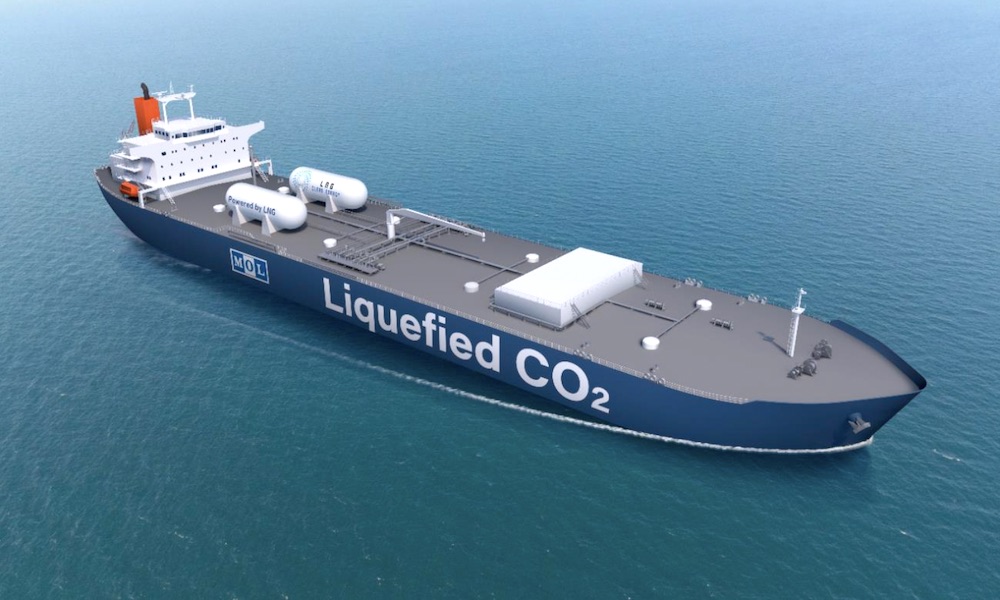
The global shipping industry, the lifeblood of world trade, carries over 80% of goods by volume. Yet, it accounts for nearly 3% of global greenhouse gas emissions—a figure on par with major industrialized nations. Mounting regulatory pressure, corporate sustainability mandates, and investor scrutiny are now fueling a profound transformation. The CO2-free shipping market is moving from a distant ambition to a tangible, investable reality, heralding a new era for maritime logistics.
Drivers of Change: Regulation and Demand
The push for decarbonization is being steered by two powerful forces:
-
The Regulatory Rudder: The International Maritime Organization (IMO) has set ambitious targets: a 20% reduction in emissions by 2030 (striving for 30%), and net-zero “by or around” 2050. Mechanisms like the Carbon Intensity Indicator (CII) and the impending inclusion of shipping in the EU Emissions Trading System (ETS) are making carbon emissions a direct operational cost.
-
The Charterer’s Pull: Major cargo owners—from retail giants like Amazon and IKEA to energy companies—are committing to net-zero supply chains. They are increasingly demanding “green shipping” solutions, signing long-term contracts for low- or zero-emission transport, which de-risks investment for shipowners.
The Fuel Frontier: Pathways to Zero
The core of the market shift lies in the transition from fossil-based heavy fuel oil to alternative fuels. The race is on, with multiple pathways vying for dominance:
-
Green Methanol: Currently the frontrunner for deep-sea shipping. It is liquid at ambient temperature, requires moderate vessel modifications, and “green” versions (produced using renewable energy and captured CO2) can be carbon-neutral. Major newbuild orders for methanol-capable vessels are surging.
-
Ammonia (NH3): A potent zero-carbon fuel when produced with renewable energy (green ammonia). It contains no carbon, but presents challenges related to toxicity, infrastructure, and combustion technology. It remains a leading candidate for the long-term, especially for bulk carriers and tankers.
-
Hydrogen: The ultimate clean fuel, used directly in fuel cells or combustion engines, emitting only water. Its low energy density as a gas necessitates compression or liquefaction (-253°C), making storage onboard challenging. Best suited for shorter routes or as a feedstock for other fuels like ammonia and methanol.
-
Wind-Assisted & Primary Wind Propulsion: A renaissance of ancient technology with modern twists. Advanced sails, Flettner rotors, and kites are being deployed to harness wind power, offering immediate fuel savings of 10-30% on conventional vessels and are central to the design of new zero-emission wind-hybrid ships.
Beyond Fuel: The Enabling Ecosystem
The CO2-free shipping market extends beyond the fuel tank and hull design. It encompasses a growing ecosystem of enabling technologies and services:
-
Energy Efficiency Technologies: Air lubrication systems, hull optimization, and AI-driven voyage optimization software reduce energy demand, making the transition to more expensive alternative fuels more feasible.
-
Port Infrastructure & Bunkering: A massive, coordinated global investment is required in port-side infrastructure for production, storage, and bunkering of new fuels. This is a critical bottleneck and a major investment opportunity.
-
Carbon Accounting & Certification: Robust, transparent systems to verify the “well-to-wake” carbon intensity of fuels are essential. Standards like the FuelEU Maritime regulation and certifications from bodies like the Smart Freight Centre are creating the market’s rulebook.
Check this-
https://www.zionmarketresearch.com/de/report/commercial-aircraft-seating-market
https://www.zionmarketresearch.com/de/report/biofilms-treatment-market
https://www.zionmarketresearch.com/de/report/3d-printed-medical-implant-market
https://www.zionmarketresearch.com/de/report/lethal-weapons-market
https://www.zionmarketresearch.com/de/report/pulp-and-paper-automation-market
Market Challenges and Investment Landscape
The path is not without headwinds. The significant cost premium of green fuels (often 2-3x conventional fuel) is the primary barrier. Scalable production of green hydrogen derivatives remains limited, and a “chicken-and-egg” dilemma exists between shipowners investing in new vessels and fuel producers investing in infrastructure.
Yet, this creates a dynamic investment landscape. Venture capital is flowing into fuel production startups, shipyards are innovating on designs, and established energy and shipping companies are forming strategic alliances. Green corridors—specific shipping routes dedicated to zero-emission vessels and fuel infrastructure—are emerging as targeted testing grounds to de-risk and accelerate scale.
Conclusion: A Market Under Full Sail
The CO2-free shipping market is no longer a niche concept but an industrial revolution at sea. While the transition will be complex, multi-faceted, and capital-intensive, the direction is irreversible. The companies and nations that lead in developing the fuels, vessels, and logistical frameworks for zero-emission shipping will not only capture a growing market but will also play a defining role in decarbonizing global trade. The journey to a cleaner maritime future has weighed anchor and is now gathering speed.