



The dairy aisle is no longer just a choice between whole, skim, or lactose-free. A significant shift is underway, with consumers increasingly reaching for cartons bearing the organic seal. The global organic dairy products market, once a niche segment, has matured into a dynamic and rapidly growing industry, driven by a powerful combination of health consciousness, ethical consumerism, and environmental awareness.
Market Landscape: Growth and Drivers
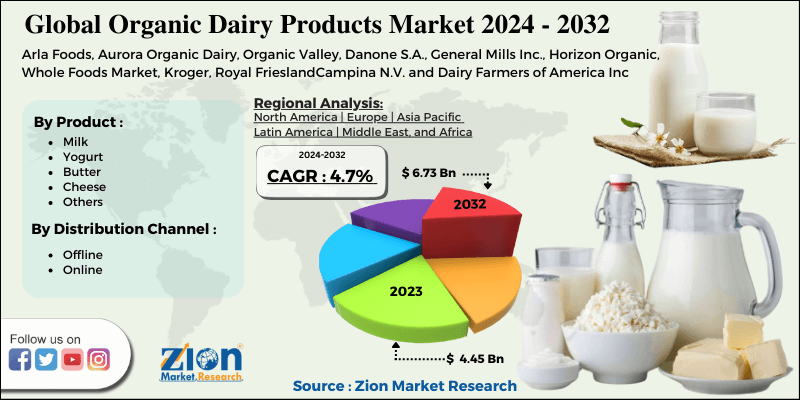
The numbers speak for themselves. Valued at approximately USD 28-30 billion in 2023, the global organic dairy market is projected to grow at a robust Compound Annual Growth Rate (CAGR) of 8-10% over the next five to seven years. North America and Europe remain the dominant markets, with strong penetration in countries like Germany, France, and the United States. However, the fastest growth is now emerging from the Asia-Pacific region, fueled by rising disposable incomes and growing health awareness in countries like China, India, and Australia.
Key Growth Drivers:
-
The Health & Wellness Imperative: The primary driver remains consumer perception of organic dairy as a healthier choice. Free from synthetic hormones (like rBGH), antibiotics, and GMO feed, organic milk, yogurt, and cheese are seen as purer and more nutritious. Studies suggesting higher levels of beneficial omega-3 fatty acids and antioxidants in organic milk further bolster this claim.
-
Ethical and Animal Welfare Concerns: Modern consumers are increasingly connected to their food’s origin. Organic certification standards mandate access to pasture, organic feed, and humane living conditions for herds. This transparency and commitment to animal welfare resonate deeply with a segment of shoppers willing to pay a premium for ethically produced food.
-
Environmental Sustainability: Organic farming practices promote biodiversity, improve soil health through crop rotation, and prohibit the use of synthetic pesticides and fertilizers, reducing chemical runoff. For the eco-conscious consumer, choosing organic dairy is a vote for a more sustainable agricultural system.
-
Clean-Label and Food Transparency: The broader “clean-label” trend, demanding simple, recognizable ingredients, aligns perfectly with organic dairy’s value proposition. The organic seal acts as a trusted, third-party verified shortcut for consumers seeking minimal processing and no artificial additives.
Segment Analysis: Where is the Innovation?
While organic fluid milk remains the largest segment, value-added products are driving excitement and higher margins:
-
Organic Yogurt & Probiotic Drinks: A superstar segment, fueled by the gut health revolution. Greek yogurt, skyr, and drinkable probiotics in organic forms are experiencing explosive growth.
-
Organic Cheese: Moving beyond basic mozzarella and cheddar, artisanal and specialty organic cheeses are capturing the interest of foodies and gourmet retailers.
-
Organic Butter and Ghee: Benefiting from the reevaluation of dietary fats and the popularity of cooking styles like keto and paleo.
-
Organic Infant Formula: Perhaps the most sensitive and rapidly growing niche, as parents seek the purest possible nutrition for their infants, regardless of cost.
Challenges and Headwinds
Despite the optimism, the market faces significant hurdles:
-
The Premium Price Barrier: Organic dairy products can cost 20-50% more than conventional counterparts, limiting access to a broad, price-sensitive consumer base.
-
Supply Chain Complexities: Building a reliable supply of organic feed, managing pasture-based grazing, and maintaining strict certification standards from farm to table is logistically challenging and costly.
-
Competition from Plant-Based Alternatives: The rise of almond, oat, and soy milks has fragmented the “alternative to conventional dairy” space. While distinct categories, plant-based options compete for the same health- and environment-focused shopper’s dollar.
-
“Organic Integrity” and Fraud Concerns: As the market grows, so does the risk of fraudulent products and concerns over imported organic products that may not meet stringent local standards, potentially eroding consumer trust.
Future Outlook: Trends Shaping Tomorrow
The organic dairy market is not standing still. Key trends that will define its future include:
-
Regenerative Organic Focus: Going beyond baseline organic standards, brands are increasingly promoting regenerative agriculture practices that actively improve soil health and sequester carbon, appealing to the climate-conscious consumer.
-
Hyper-Transparency & Technology: Blockchain tracing, farm-specific QR codes, and live farm cams allow consumers to virtually visit the source of their milk, building unparalleled trust and brand loyalty.
-
Blurring the Categories: The future is not “organic dairy vs. plant-based.” Expect to see more hybrid products (e.g., oat-milk yogurt with organic dairy cultures) and retailers merchandising them together in a “sustainable dairy” section.
-
Direct-to-Consumer (D2C) and Subscription Models: Farms and brands are leveraging online platforms to sell directly, offering subscription boxes for fresh organic milk, cheese, and butter, ensuring freshness and building a direct relationship.
Conclusion
The organic dairy products market has evolved from a fringe category to a mainstream powerhouse. Its growth is no longer just a food trend but a reflection of a fundamental shift in consumer values—where health, ethics, and ecology converge at the checkout aisle. While challenges around price and competition persist, innovation in products, a commitment to transparency, and a focus on regenerative practices are paving the way for a resilient and growing future. For farmers, producers, and retailers, the message is clear: in the modern food economy, organic is no longer an alternative; it is a vital and expanding frontier.