



Introduction: The Need for a New Paradigm in Healthcare Security
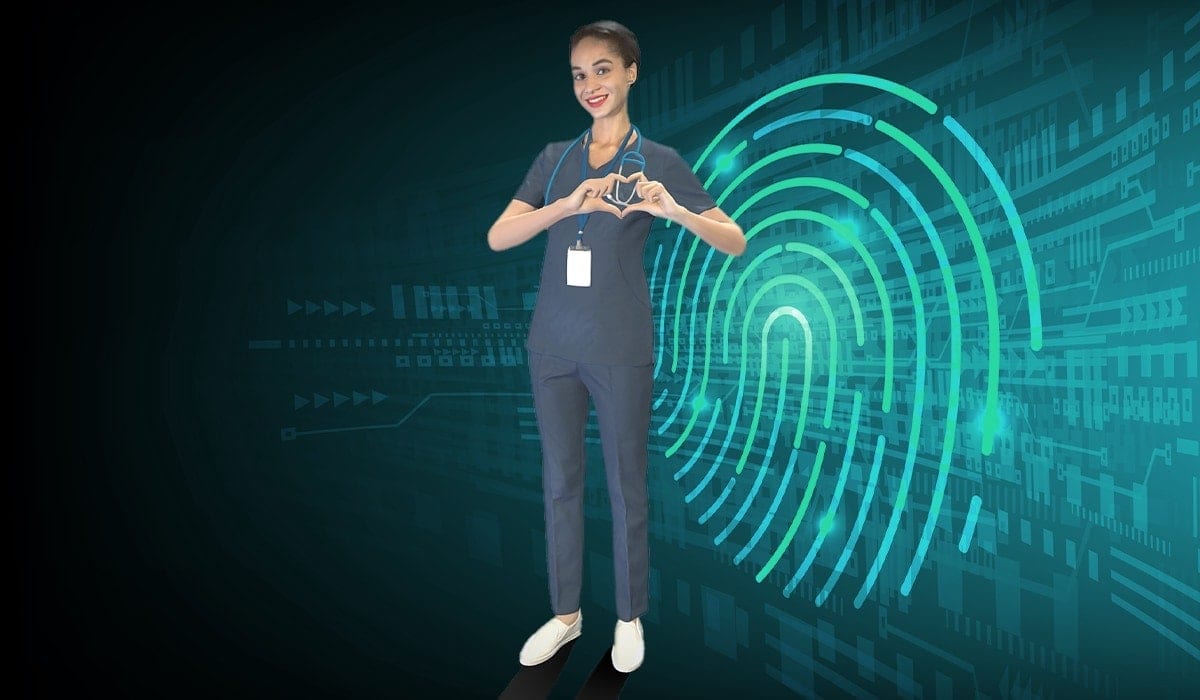
The healthcare industry stands at a critical crossroads, grappling with an unprecedented surge in cyberattacks, rampant patient identity fraud, and stringent regulatory demands—all while striving to deliver seamless patient experiences. In this high-stakes environment, traditional security methods like passwords and ID cards are increasingly inadequate. Enter Biometrics as a Service (BaaS) Market, a cloud-based model that is poised to transform healthcare security, operational efficiency, and patient trust. By leveraging unique physiological and behavioral traits—such as fingerprints, facial patterns, iris structures, and voice—BaaS offers a powerful, scalable solution to some of healthcare’s most persistent challenges.
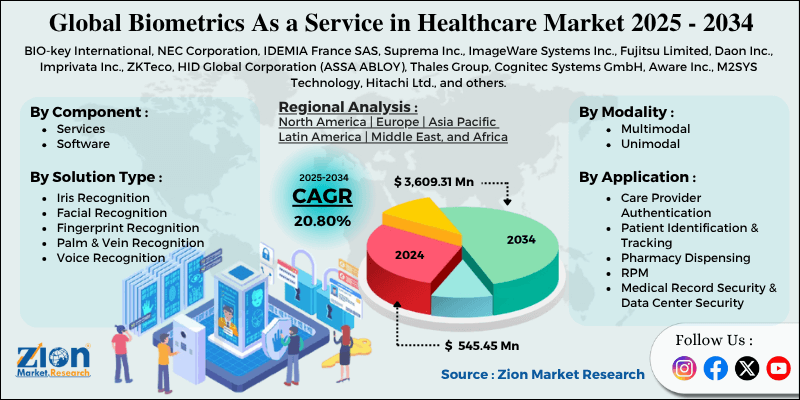
How BaaS Works in a Healthcare Setting
Biometrics as a Service delivers advanced biometric capabilities via a subscription-based cloud model. This eliminates the need for healthcare organizations to invest heavily in on-premise hardware and specialized IT expertise.
A typical patient journey might look like this:
-
Enrollment: During registration, a patient’s biometric trait (e.g., a facial scan) is captured and converted into a secure, encrypted digital template.
-
Cloud Storage & Matching: This template is stored in a highly secure, compliant cloud environment. During subsequent visits, a new scan is compared against the stored template.
-
Seamless Access: A positive match grants instant access to EHRs, authorizes prescriptions, or checks the patient in for an appointment—all within seconds.
This model shifts security from something you know (a password) or have (a card) to something you are, which is virtually impossible to lose, forget, or steal.
Key Drivers Fueling BaaS Adoption in Healthcare
-
The Epidemic of Data Breaches and Medical Identity Theft: Healthcare data is uniquely valuable on the dark web, leading to relentless attacks. BaaS provides a formidable barrier, as biometric data is exceptionally difficult to spoof or replicate.
-
Regulatory Compliance Pressures: Regulations like HIPAA in the U.S. and GDPR in Europe mandate robust patient identity management and data protection. BaaS helps ensure compliance by providing a verifiable audit trail of access and actions.
-
The Demand for Frictionless Patient Experiences: Patients increasingly expect the convenience they experience in other industries. BaaS enables touchless check-ins, reduces wait times, and eliminates the frustration of forgotten login credentials for patient portals.
-
Interoperability and Accurate Patient Identification: Misidentification can lead to dangerous medical errors. BaaS creates a unified, incontrovertible patient identity that can be safely utilized across different departments, clinics, and even healthcare systems, improving care coordination.
-
The Rise of Telehealth: Remote care requires robust remote identity verification. BaaS can integrate with telehealth platforms to ensure the person on the video call is indeed the legitimate patient.
Transformative Applications Across the Healthcare Ecosystem
-
Patient Identity & Access Management: Secure, one-touch access to personal health records (PHRs) and patient portals.
-
Secure Provider Access: Ensures only authorized doctors, nurses, and staff can access sensitive systems and medication dispensaries (narcotics cabinets), preventing insider threats.
-
Fraud Prevention: Drastically reduces instances of prescription fraud, insurance fraud, and “doctor shopping.”
-
Infant Protection: Newborn identification and mother-infant matching systems in maternity wards enhance safety and prevent mix-ups.
-
Clinical Trial Integrity: Verifies participant identity to ensure adherence to trial protocols and prevent data fabrication.
Advantages of the “As-a-Service” Model
The cloud-delivery aspect of BaaS is a game-changer:
-
Cost-Effectiveness: Converts large capital expenditures into predictable operational expenses with a pay-as-you-go model.
-
Scalability & Speed: Solutions can be rolled out across a single clinic or an entire hospital network quickly, without complex hardware deployments.
-
Automatic Updates: Providers benefit from continuous advancements in biometric algorithms (e.g., liveness detection to prevent spoofing) and security, managed by the BaaS vendor.
-
Expertise on Tap: Healthcare organizations gain access to specialized biometric security knowledge without building it in-house.
Navigating Challenges and Considerations
Adoption is not without hurdles:
-
Privacy Concerns: The collection of biometric data raises legitimate privacy questions. Transparency about data use, storage, and ownership is paramount.
-
Bias and Accuracy: Ensuring algorithms perform equally well across all demographics (skin tones, ages, etc.) is an ongoing industry focus.
-
Integration with Legacy Systems: Seamless integration with existing EHRs (like Epic or Cerner) and hospital IT infrastructure is critical for success.
-
Regulatory Landscape: Navigating specific regulations governing biometric data (e.g., Illinois’ BIPA law) requires careful legal compliance.
The Future Outlook: Beyond Authentication
The future of BaaS in healthcare extends beyond simple login. We are moving towards continuous authentication—where behavioral biometrics (like typing rhythm or gait analysis) could continuously verify a provider’s identity during a surgical telemetry session. Furthermore, biometrics could integrate with wearable data to create a holistic, continuously authenticated health profile for personalized medicine.
Read More-
https://www.zionmarketresearch.com/de/report/aircraft-seat-actuation-system-market
https://www.zionmarketresearch.com/de/report/graphite-market
https://www.zionmarketresearch.com/de/report/biometrics-as-a-service-baas-in-healthcare-market
https://www.zionmarketresearch.com/de/report/lipstick-filling-machines-market
https://www.zionmarketresearch.com/de/report/aerostructure-composites-market
Conclusion: A Secure, Efficient, and Human-Centric Future
Biometrics as a Service represents more than a technological upgrade; it signifies a fundamental shift towards a more secure, efficient, and patient-centric healthcare system. By reliably linking the physical individual to their digital health record, BaaS builds a foundation of trust. It protects the most sensitive data, streamlines burdensome administrative processes, and ultimately, empowers healthcare providers to focus on what they do best—delivering exceptional care. As the technology matures and concerns are addressed, BaaS is set to become a standard pillar of digital health infrastructure, safeguarding both our data and our well-being.