



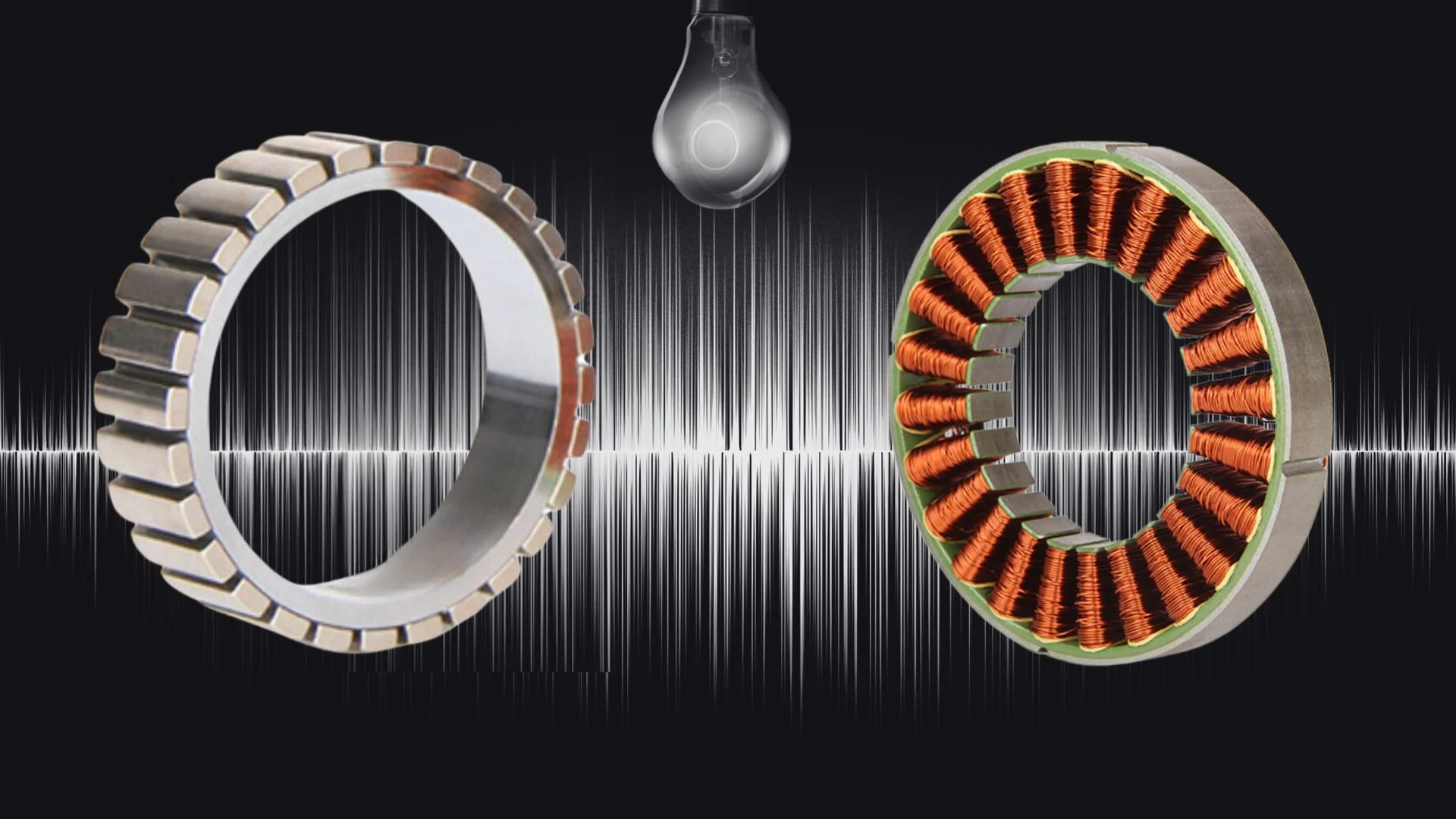
In the heart of electric vehicles, whirring inside modern appliances, and driving the pumps and fans of industry, a quiet revolution is underway. The permanent magnet motor (PMM), particularly the Permanent Magnet Synchronous Motor (PMSM), has evolved from a niche technology to a dominant force, reshaping entire industries with its unparalleled efficiency and performance. The global permanent magnet motor market is not just growing; it is accelerating, propelled by the global imperatives of energy conservation, electrification, and technological advancement.
Market in Motion: Size, Growth, and Key Drivers
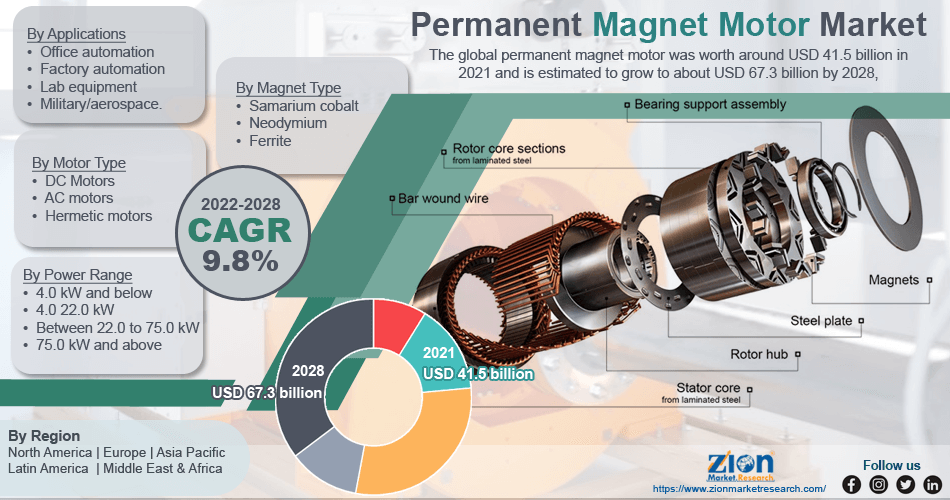
The numbers speak volumes. Valued at approximately USD 40-45 billion in 2023, the global PMM market is projected to surge at a compound annual growth rate (CAGR) of 8-10% through 2030, potentially reaching a market size of over USD 70 billion. This robust growth is underpinned by several powerful, interconnected drivers:
-
The Global Electrification Megatrend: The shift away from fossil fuels is the single largest catalyst. Electric Vehicles (EVs) are the poster child, with PMSM motors providing the high torque density, superior power-to-weight ratio, and exceptional efficiency needed for longer range and better performance. Every new EV model rollout directly fuels demand.
-
Stringent Energy Efficiency Regulations: Governments worldwide are implementing rigorous standards (like IE4 and IE5 super-premium efficiency classes) for industrial motors and appliances. PMMs, which eliminate rotor copper losses inherent in induction motors, are the most straightforward technical solution to meet and exceed these mandates.
-
Rise of Renewable Energy: Wind turbines, especially direct-drive designs, heavily rely on large permanent magnet generators for their reliability and efficiency in converting wind energy to electricity. The expansion of wind power, both onshore and offshore, is a significant demand source.
-
Industrial Automation & Robotics: The precision, dynamic response, and compact size of PMSMs make them ideal for servo drives in robotics, CNC machinery, and automated systems. Industry 4.0 is built on the back of these high-performance motors.
-
Consumer Electronics and Appliances: From compressor drives in HVAC systems and refrigerators to fans in computers, the quest for quieter, smaller, and more energy-efficient devices is driving PMM adoption.
Segmentation: Where the Opportunity Lies
The market can be dissected to reveal targeted opportunities:
-
By Type: Permanent Magnet AC Motors (PMAC) – primarily PMSMs – hold the dominant share due to their widespread industrial and automotive use. Permanent Magnet DC Motors (PMDC) remain relevant in specific automotive applications and cheaper consumer goods.
-
By Magnet Material: Neodymium Iron Boron (NdFeB) magnets are king for high-performance applications due to their exceptional magnetic strength. Ferrite magnets retain a significant, cost-sensitive share in appliances and lower-power uses. Samarium Cobalt and others serve niche, high-temperature applications.
-
By End-Use Industry: Automotive (especially EVs) is the largest and fastest-growing segment. Industrial Machinery is the established volume leader for pumps, fans, and compressors. Aerospace & Defense, HVAC, and Consumer Electronics are other critical sectors.
The Critical Challenge: Navigating the Rare Earth Element Landscape
The market’s strength is also its primary vulnerability. The most powerful NdFeB magnets rely on rare earth elements (REEs) like neodymium, dysprosium, and terbium. Supply chain concentration (with China controlling a majority of processing), price volatility, and geopolitical tensions pose significant risks. This has ignited:
-
Intensive R&D into alternative chemistries (e.g., reduced or heavy-rare-earth-free magnets).
-
Growth in ferrite magnet motors for applications where lower cost trumps peak performance.
-
Major recycling initiatives to reclaim REEs from end-of-life products.
-
Geographic diversification of mining and processing outside China.
Regional Dynamics: A Global Race
-
Asia-Pacific: The undisputed leader, accounting for over 50% of the market, driven by massive EV production in China, industrial activity, and government support. China is both the largest consumer and supplier.
-
Europe & North America: High-growth regions fueled by aggressive EV adoption, strong renewable energy targets, and early adoption of premium efficiency standards. These regions are also at the forefront of R&D for supply chain security and advanced motor designs.
Competitive Landscape: Innovation and Integration
The market features a mix of established industrial giants (like ABB, Siemens, Nidec, and Weg), specialist automotive suppliers (like BorgWarner), and leading Japanese manufacturers (like Toshiba, Mitsubishi). The competitive edge is increasingly defined by:
-
Vertical Integration: Companies securing magnet supply or forming strategic partnerships.
-
Software-Defined Motor Control: Advanced algorithms that further optimize efficiency and enable new functionalities.
-
Material Science Expertise: Innovations in magnet production, cooling, and motor design to reduce rare-earth dependency.
The Road Ahead: Future Trends
-
E-Mobility Expansion: Beyond passenger EVs, the electrification of commercial vehicles, two-wheelers, and marine vessels will open new frontiers.
-
The Sustainability Imperative: Lifecycle analysis and circular economy principles will drive design for recyclability and increase the use of recycled materials.
-
Advancements in Motor Design: Technologies like axial flux motors promise even higher power density, potentially disrupting traditional designs in automotive and aerospace.
-
Smart, Connected Motors: Integration of sensors and IoT connectivity for predictive maintenance and energy management in industrial settings.
Read More-
https://www.zionmarketresearch.com/de/report/snail-beauty-products-market
https://www.zionmarketresearch.com/de/report/aircraft-synthetic-vision-systems-market
https://www.zionmarketresearch.com/de/report/cbd-infused-beverages-market
https://www.zionmarketresearch.com/de/report/permanent-magnet-motor-market
https://www.zionmarketresearch.com/de/report/aircraft-weapons-market
Conclusion
The permanent magnet motor market is more than an industrial segment; it is a fundamental enabler of the global energy transition. While challenges around material sourcing are real and pressing, they are catalyzing unprecedented innovation. As the world moves inexorably towards greater efficiency and electrification, the permanent magnet motor stands as a critical technological workhorse, silently and efficiently powering our sustainable future. For investors, engineers, and policymakers, understanding this market is key to navigating the next wave of industrial transformation.