


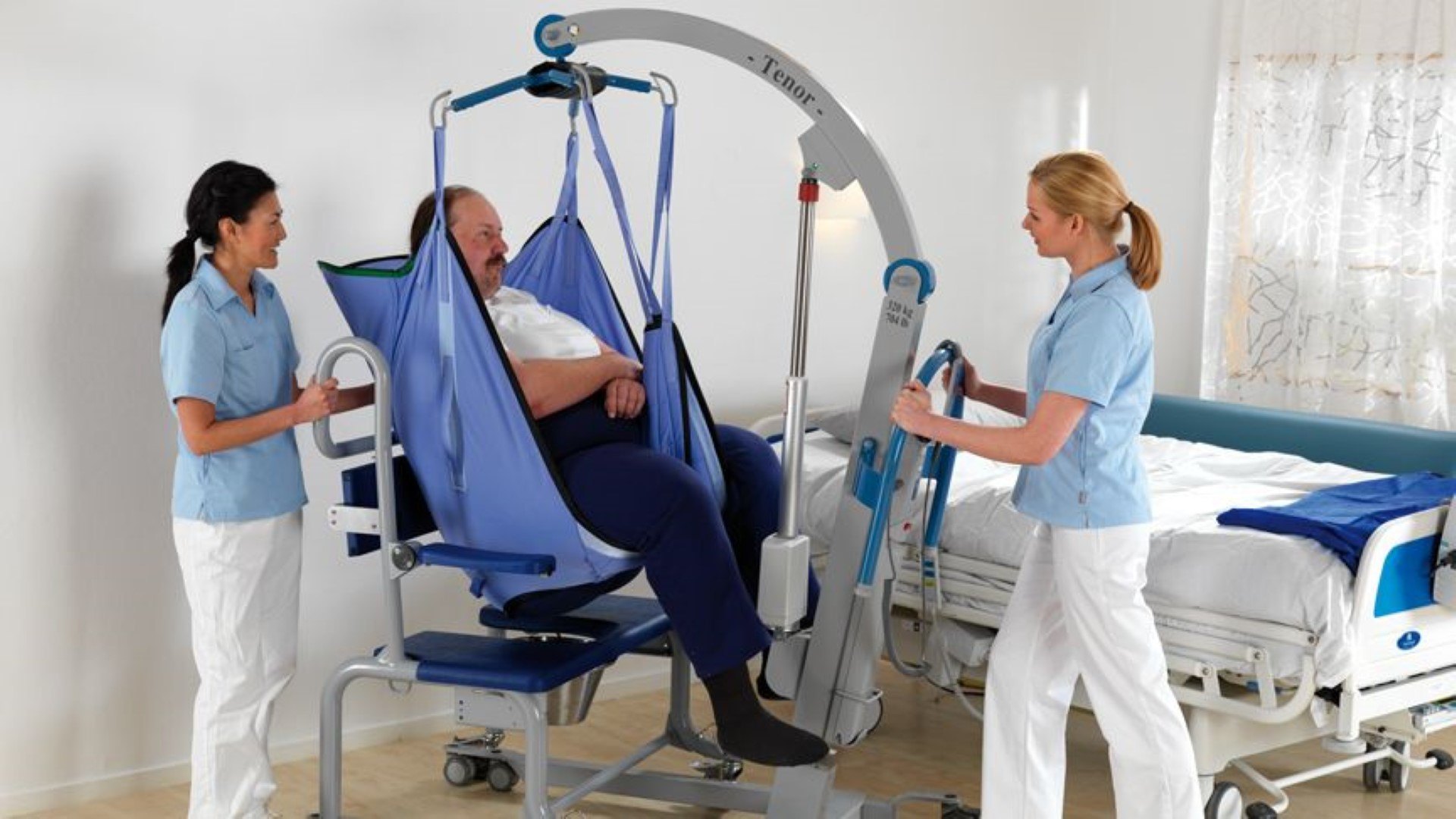
The global healthcare landscape is undergoing a profound shift. An aging population, a rising prevalence of chronic diseases, and a heightened focus on caregiver safety are converging to create both a significant challenge and a booming market opportunity. At the heart of this transformation is the Patients Handling Equipment Market—a sector no longer seen as merely about convenience, but as a critical component of modern, safe, and efficient care.
Market in Motion: Drivers of Growth
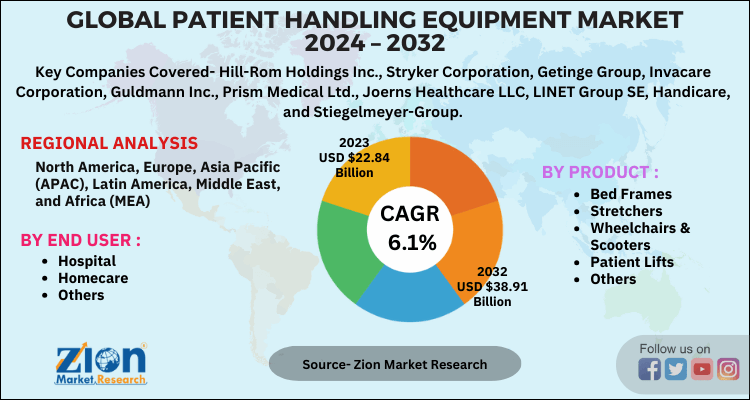
The market, valued at over $12 billion in 2023, is projected to grow at a steady CAGR of 6-7% over the next decade. This growth is fueled by powerful, interconnected factors:
-
Demographic Imperative: The world’s population is aging rapidly. The UN estimates that by 2050, one in six people will be over 65. This demographic is more susceptible to mobility issues, chronic conditions like arthritis and osteoporosis, and requires assistance with daily activities, directly driving demand for handling equipment.
-
The Epidemic of Caregiver Injury: For decades, manual patient lifting has been a leading cause of musculoskeletal injuries among nurses and caregivers. The financial and human cost is staggering—leading to lost workdays, high staff turnover, and chronic pain. This has forced a paradigm shift from manual handling to “zero-lift” or “safe patient handling” (SPH) policies, mandating the use of equipment.
-
Rising Healthcare Costs & Focus on Efficiency: Equipment like ceiling lifts and sit-to-stand aids reduce the time and number of staff required for transfers. This increases operational efficiency, allows caregivers to focus on clinical tasks, and reduces costly injury-related compensation claims, creating a strong return on investment for healthcare facilities.
-
Technological Integration: The market is moving beyond mechanical devices. We are seeing the integration of sensors, battery-powered mobility, and even robotic assist devices. Equipment with built-in scales, fall prevention alerts, and data connectivity for monitoring patient mobility is becoming the new standard, adding value and functionality.
Market Segmentation: Understanding the Tools of Safety
The market is diverse, catering to different care settings and patient needs:
-
By Product Type:
-
Wheelchairs & Mobility Scooters: The largest segment, enabling patient independence.
-
Patient Lifts: Divided into Ceiling Lifts (the gold standard for safety and space efficiency in institutional settings) and Floor-Based Lifts (portable and versatile for home care).
-
Sit-to-Stand Lifts: Crucial for rehab, helping patients regain leg strength and perform vertical transfers.
-
Patient Transfer Equipment: Slide sheets, transfer boards, and air-assisted lateral transfer devices that minimize friction and effort.
-
Medical Beds & Accessories: Including beds with turning and tilt functions to prevent pressure ulcers.
-
-
By End-User:
-
Hospitals & Clinics: The primary adopters, driven by regulation and high patient acuity.
-
Home Care Settings: The fastest-growing segment. As care shifts to the home, compact, user-friendly equipment for family caregivers is in high demand.
-
Nursing Homes & Long-Term Care Facilities: Heavily reliant on lifts and transfer aids due to the high proportion of residents with limited mobility.
-
Challenges and Restraints
Despite robust growth, the market faces hurdles:
-
High Initial Cost: Advanced equipment, especially ceiling lift systems, requires significant upfront investment, which can deter smaller facilities and home users.
-
Lack of Awareness and Training: In some regions, particularly in developing markets, awareness of SPH protocols is low. Even where equipment is available, inadequate staff training limits its effective use.
-
Reimbursement Issues: In many healthcare systems, reimbursement for durable medical equipment (DME) like patient lifts can be complex and limited, affecting adoption rates, especially in home care.
Regional Landscape: A Mixed Picture
-
North America & Europe: Dominate the market, driven by strict occupational safety regulations (OSHA in the US, EU directives), an established reimbursement framework, and high awareness of caregiver safety.
-
Asia-Pacific: Poised for the highest growth. A massive aging population in Japan and China, increasing healthcare expenditure, improving hospital infrastructure, and growing awareness are key accelerators.
-
Latin America and Middle East & Africa: Emerging markets where growth is linked to gradual improvements in healthcare infrastructure and rising medical tourism.
The Future: Smarter, Lighter, and More Accessible
The future of patient handling is intelligent and patient-centered:
-
Robotics and AI: Development of exoskeletons for caregivers and more sophisticated robotic lift aids will continue.
-
Home-Centric Innovation: Expect more lightweight, aesthetically pleasing, and easy-to-store equipment designed specifically for the home environment.
-
Rental and “Equipment-as-a-Service” Models: To overcome cost barriers, rental and subscription models, particularly for post-surgical or temporary home care, will expand.
-
Focus on Patient Dignity: New designs increasingly prioritize not just safety but also patient comfort, privacy, and dignity during transfers.
Read More-
https://www.zionmarketresearch.com/de/report/non-small-cell-lung-cancer-drug-market
https://www.zionmarketresearch.com/de/report/patients-handling-equipment-market
https://www.zionmarketresearch.com/de/report/catalogue-management-systems-market
https://www.zionmarketresearch.com/de/report/artificial-intelligence-in-marketing-market
https://www.zionmarketresearch.com/de/report/zero-emission-vehicle-market
https://www.zionmarketresearch.com/de/report/artificial-intelligence-robots-market
https://www.zionmarketresearch.com/de/report/car-leasing-market
Conclusion: A Market Built on Necessity and Value
The patient handling equipment market is a clear example of a sector where ethical imperative aligns with economic opportunity. It is no longer a niche but a mainstream essential for sustainable healthcare systems. As demographics and safety standards continue to evolve, investment and innovation in this space will not only protect the backbone of healthcare—its workers—but also enhance the quality of life and independence for millions of patients worldwide. For stakeholders, the message is clear: in the business of care, safe handling is smart business.