




In an era where consumers are proactively managing their health through nutrition, functional food ingredients have moved from niche to mainstream. Among these, sterols—natural compounds with proven heart-health benefits—are experiencing significant market growth. Once a specialized segment, the global sterols market is now expanding rapidly, fueled by rising cardiovascular disease prevalence, increasing consumer awareness, and innovative applications beyond traditional supplements.
What Are Sterols?
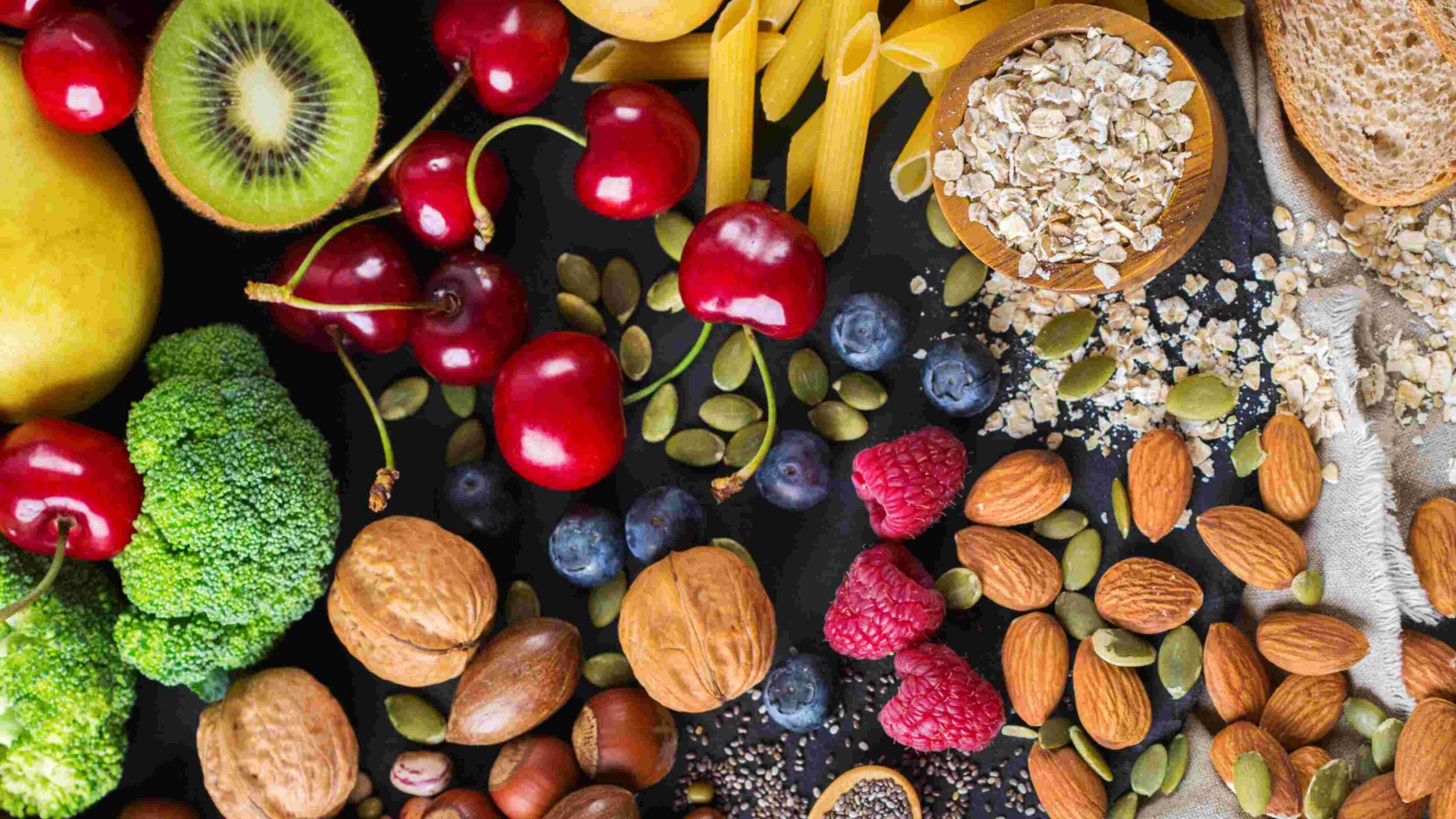
Sterols are a subgroup of steroids that occur naturally in plants (phytosterols) and animals (zoosterols, like cholesterol). For the commercial market, phytosterols (e.g., beta-sitosterol, campesterol, stigmasterol) are the primary focus. Structurally similar to cholesterol, they compete for absorption in the digestive system, effectively lowering LDL (“bad”) cholesterol levels in the blood. They are extracted from vegetable oils, nuts, seeds, and wood pulp.
Market Drivers and Growth Trends
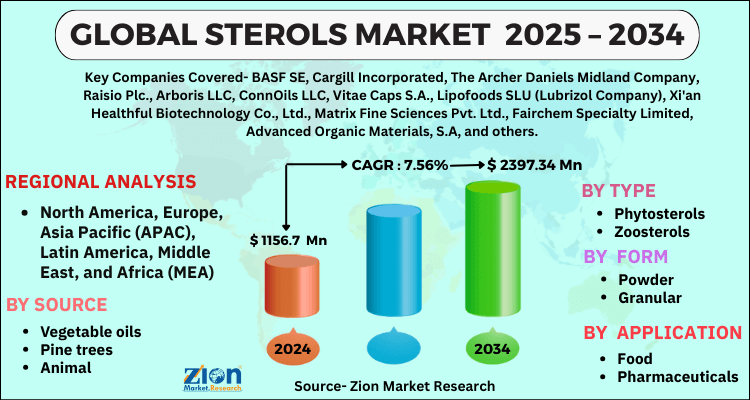
The global sterols market, valued at approximately USD 1.2 billion in 2023, is projected to grow at a compound annual growth rate (CAGR) of 7.5% to 9% through 2030. This growth is underpinned by several key factors:
-
The Cardiovascular Health Imperative: With cardiovascular diseases (CVDs) remaining the leading cause of death globally, both consumers and healthcare providers are seeking non-pharmacological interventions. Sterol-fortified foods and supplements offer a scientifically backed dietary approach to cholesterol management, endorsed by major health bodies like the FDA and EFSA, which approve heart-health claims for these products.
-
Consumer Shift to Preventive Healthcare: The trend towards preventative wellness over reactive treatment is powerful. Educated consumers are reading labels and seeking out functional ingredients. The clean-label movement also favors plant-derived, naturally-sourced sterols.
-
Product Innovation and Fortification: No longer confined to margarines and capsules, sterols are being incorporated into a diverse range of products:
-
Dairy: Yogurts, milk, and cheese.
-
Beverages: Juices, smoothies, and health drinks.
-
Bakery & Confectionery: Healthy snacks, cereal bars, and bread.
-
Personal Care & Cosmetics: Sterols are used for their anti-inflammatory and skin barrier repair properties in moisturizers and creams.
-
-
The Rise of Plant-Based Diets: As vegan and plant-based lifestyles grow, so does the interest in plant-sourced health ingredients. Phytosterols align perfectly with this ethos, further driving their adoption.
Market Segmentation Insights
-
By Type: Beta-sitosterol dominates the market share due to its high efficacy and widespread availability.
-
By Application: The food and beverage segment leads, driven by functional food demand, followed by pharmaceuticals and cosmetics.
-
By Geography: North America and Europe are the established largest markets, thanks to high health awareness and a robust functional food industry. However, the Asia-Pacific region is expected to witness the fastest growth, propelled by a growing middle class, rising healthcare costs, and increasing incidence of lifestyle diseases.
Challenges and Restraints
Despite positive trends, the market faces hurdles:
-
High Production Costs: Extraction and purification processes can be expensive, impacting final product pricing.
-
Consumer Education Gaps: While awareness is growing, many consumers are still unfamiliar with what sterols are and how to use them effectively.
-
Regulatory Hurdles: Varying health claim regulations across different countries can complicate global marketing and product launches.
-
Saturation in Mature Markets: In regions like Europe, the core market for sterol-fortified spreads is stagnant or declining, pushing innovation into new categories.
Competitive Landscape
The market is consolidated with key players like Archer Daniels Midland (ADM), BASF SE, Cargill, Raisio Plc, and Arboris LLC. These companies compete on:
-
Supply Chain Integration: Controlling sourcing from raw vegetable oils.
-
R&D Investment: Developing novel delivery formats and applications.
-
Strategic Partnerships: Collaborating with food, supplement, and cosmetic brands for co-development.
The Future Outlook
The future of the sterols market is dynamic and promising:
-
Microencapsulation Technology: This will enable tasteless, odorless sterol incorporation into a wider array of foods and beverages without altering texture or flavor.
-
Synergistic Formulations: Combining sterols with other bioactive ingredients (like omega-3s or fiber) for enhanced health benefits.
-
Focus on Clinical Research: Exploring potential benefits beyond cholesterol, such as anti-inflammatory and immune-support properties.
-
Expansion in Emerging Economies: Targeted marketing and affordable product formats will unlock potential in APAC and Latin America.
Read More-
https://www.zionmarketresearch.com/de/report/bifacial-solar-market
https://www.zionmarketresearch.com/de/report/deep-learning-market
https://www.zionmarketresearch.com/de/report/ultrapure-water-market
https://www.zionmarketresearch.com/de/report/pruritus-therapeutics-market
https://www.zionmarketresearch.com/de/report/blood-pressure-monitoring-device-market
https://www.zionmarketresearch.com/de/report/canes-and-crutches-market
https://www.zionmarketresearch.com/de/report/rs232-can-bus-market
Conclusion
The sterols market is a prime example of how scientific validation and evolving consumer health consciousness can propel a functional ingredient into the spotlight. Moving beyond its cholesterol-lowering heritage, the market is diversifying into wellness and personal care, ensuring its growth is not just sustained but accelerated. For food manufacturers, ingredient suppliers, and investors, sterols represent a robust opportunity aligned with the megatrends of preventive health and natural, plant-based nutrition. As innovation continues to break down formulation barriers, sterols are poised to become an even more ubiquitous ingredient in the global pursuit of health.