




In today’s fast-paced logistics landscape, fleet management has evolved from simple vehicle tracking to sophisticated data-driven ecosystems. Modern fleet management systems (FMS) represent a technological revolution that’s transforming how businesses manage transportation, reduce costs, improve safety, and meet sustainability goals. From local delivery services to international shipping conglomerates, these systems are becoming indispensable tools for competitive advantage.
What Are Fleet Management Systems?
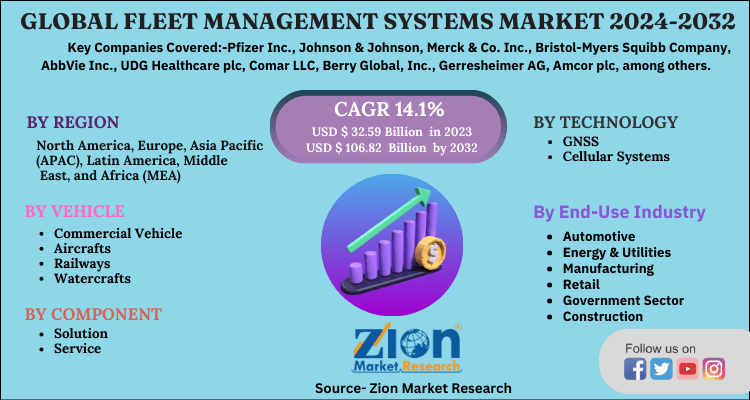
At their core, fleet management systems market are integrated platforms that combine hardware and software to monitor, organize, and coordinate fleet operations. These systems gather data from vehicles through GPS, telematics devices, and sensors, then process this information to provide actionable insights through intuitive dashboards and reporting tools.
Key Components of Modern FMS
1. Real-Time GPS Tracking
-
Live vehicle location monitoring
-
Geofencing capabilities
-
Route history and analysis
-
Estimated time of arrival predictions
2. Telematics and Diagnostics
-
Engine performance monitoring
-
Fuel consumption tracking
-
Predictive maintenance alerts
-
Driver behavior analysis
3. Compliance and Safety Features
-
Electronic logging devices (ELD)
-
Hours of Service (HOS) compliance
-
Safety scorecards for drivers
-
Incident reporting and documentation
4. Administrative Tools
-
Automated scheduling and dispatch
-
Fuel card integration
-
Maintenance scheduling
-
Inventory and asset management
The Tangible Benefits: More Than Just Tracking
Operational Efficiency
Modern FMS optimize routes in real-time, considering traffic patterns, weather conditions, and delivery windows. This reduces idle time, minimizes unnecessary mileage, and improves overall fleet utilization. Companies report up to 20% reductions in fuel costs and 15% improvements in productivity after implementing comprehensive systems.
Enhanced Safety and Reduced Liability
By monitoring driver behavior—including harsh braking, acceleration, cornering, and seatbelt usage—fleet managers can identify risky behaviors before they lead to accidents. Proactive coaching based on actual data, rather than assumptions, creates safer driving habits and reduces insurance premiums.
Predictive Maintenance
Instead of following rigid maintenance schedules or waiting for breakdowns, predictive analytics use vehicle data to anticipate maintenance needs. This approach reduces unexpected downtime by up to 50% and extends vehicle lifespans by addressing issues before they become major problems.
Sustainability Achievements
With detailed reporting on fuel consumption and emissions, companies can set and track sustainability goals. Route optimization alone can reduce a fleet’s carbon footprint by 10-15%, while driver behavior monitoring can improve fuel efficiency by another 5-10%.
Regulatory Compliance
Automated compliance tracking ensures adherence to increasingly complex transportation regulations, reducing administrative burdens and minimizing the risk of costly violations.
Read More-
https://www.zionmarketresearch.com/de/report/automotive-glass-market
https://www.zionmarketresearch.com/de/report/steam-turbine-mro-market
https://www.zionmarketresearch.com/de/report/polyeste-fiber-market
https://www.zionmarketresearch.com/de/report/next-generation-packaging-market
https://www.zionmarketresearch.com/de/report/global-telehealth-market
Emerging Trends Shaping the Future
Artificial Intelligence and Machine Learning
AI-powered systems are moving beyond reactive reporting to predictive analytics and autonomous decision-making. These systems can anticipate maintenance needs weeks in advance, optimize routes dynamically based on changing conditions, and even suggest operational changes to improve profitability.
Electric Vehicle Integration
As commercial fleets transition to electric vehicles, FMS are evolving to manage charging schedules, monitor battery health, and optimize routes based on charging station availability and vehicle range.
Autonomous Vehicle Readiness
Forward-thinking FMS are incorporating features that will eventually support autonomous fleet operations, including vehicle-to-vehicle communication protocols and infrastructure interaction capabilities.
Enhanced Driver Experience
Modern systems include driver-facing applications that provide turn-by-turn navigation, delivery information, and performance feedback, creating a more engaged and efficient workforce.
Blockchain for Supply Chain Transparency
Some systems are integrating blockchain technology to create immutable records of shipments, maintenance, and compliance data, enhancing trust across supply chains.
Implementation Considerations
Choosing the right FMS requires careful evaluation of:
-
Scalability to grow with your business
-
Integration capabilities with existing software
-
User experience for both managers and drivers
-
Data security and privacy protections
-
Vendor support and training resources
-
Total cost of ownership versus expected ROI
Conclusion
Fleet management systems have matured from simple tracking tools to comprehensive business intelligence platforms that drive strategic decision-making. As technology continues to advance, these systems will become even more predictive, automated, and integrated into broader business ecosystems. Companies that embrace these technologies today aren’t just managing vehicles—they’re building resilient, efficient, and sustainable transportation networks capable of meeting tomorrow’s logistical challenges.
For businesses still relying on manual processes or basic tracking, the question is no longer whether to implement a fleet management system, but which system will provide the competitive edge needed in an increasingly connected world. The investment in modern FMS technology pays dividends not just in cost savings, but in customer satisfaction, employee safety, and environmental stewardship—a true trifecta for forward-thinking organizations.