




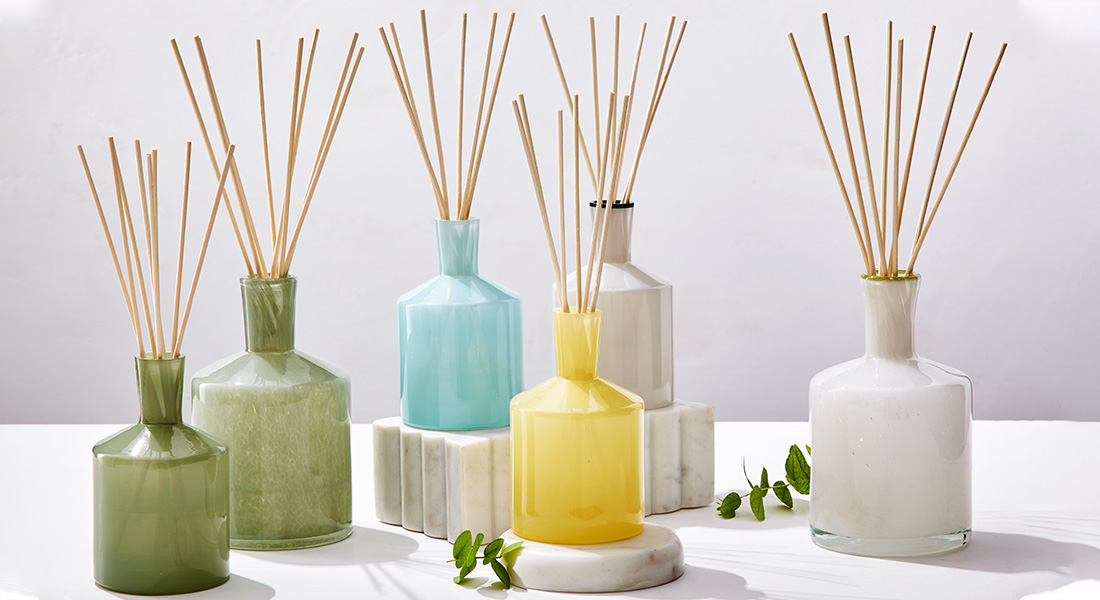
In a world increasingly attuned to wellness, ambiance, and convenience, the humble reed diffuser has blossomed into a cornerstone of the global home fragrance market. Unlike candles that flicker out or plug-ins that require an outlet, reed diffusers offer a continuous, flameless, and elegant way to scent a space. This article explores the current landscape, key drivers, emerging trends, and future outlook of the thriving reed diffuser market.
Market Overview: Steady Growth in the Air
The global reed fragrance diffusers market is experiencing robust growth, consistently outperforming many other discretionary home goods categories. Valued at over USD 1.5 billion in 2023, the market is projected to grow at a compound annual growth rate (CAGR) of 5-7% through 2030. This growth is fueled by a post-pandemic “home-centric” lifestyle, where consumers are investing more in creating personalized, comforting, and aesthetically pleasing living environments.
Key Market Drivers
-
The Wellness and Self-Care Movement: Consumers directly link scent to mood and mental well-being. Demand for diffusers with essential oils, natural ingredients, and aromatherapy benefits (e.g., stress-relief, focus, sleep-aid) has skyrocketed. Reed diffusers are positioned as a tool for holistic living.
-
Safety and Convenience: As a flameless solution, reed diffusers are inherently safer than candles, making them ideal for households with children, pets, or for unsupervised use. Their “set-and-forget” nature—requiring no heat or electricity—provides 24/7 fragrance with minimal effort.
-
Home Décor Integration: Modern reed diffusers are designed as decorative objects. From minimalist glass vessels to hand-crafted ceramics and artisanal designs, they serve as a stylish accessory that complements interior design trends, driving purchase decisions beyond scent alone.
-
Premiumization and Niche Fragrances: There is a clear shift away from simple, synthetic scents. Consumers seek sophisticated, niche fragrances (e.g., tobacco & oud, fig & cassis, marine accord) and premium brands that use high-quality fragrance oils and sustainable, refillable vessels.
Emerging Trends Shaping the Market
-
Hyper-Personalization: Brands are offering custom fragrance blending services or limited-edition seasonal collections that allow consumers to curate scents for different rooms and occasions.
-
Sustainable and Ethical Sourcing: Eco-consciousness is paramount. Demand is growing for:
-
Natural & Bio-based Reeds: Moving beyond synthetic reeds to rattan, bamboo, or other porous natural materials.
-
Refill Systems: To reduce waste, brands are promoting fragrance oil refills in recycled or reduced packaging.
-
Clean Ingredients: Transparency about phthalate-free, vegan, and cruelty-free formulations.
-
-
Technology Integration: While analog at heart, some brands are incorporating smart features, like companion apps to remind users to flip reeds or signal when a refill is needed, blending tradition with mild tech.
-
Commercial and Hospitality Adoption: Reed diffusers are increasingly used in hotels, spas, retail stores, and offices to create a consistent and branded olfactory experience, opening a significant B2B channel.
Challenges and Considerations
-
Variable Scent Throw & Longevity: Performance can be inconsistent, affected by room size, air flow, and reed quality. Educating consumers on placement and reed maintenance is crucial for satisfaction.
-
Competition from Alternatives: Electric diffusers (ultrasonic and nebulizing), room sprays, and the enduring popularity of candles provide stiff competition.
-
Supply Chain for Natural Materials: Sourcing consistent, high-quality natural reeds and essential oils can be vulnerable to climate and geopolitical disruptions, affecting cost and availability.
Regional Insights
-
North America and Europe remain the largest markets, driven by high disposable income and strong home fragrance culture.
-
Asia-Pacific is the fastest-growing region, with a rising middle class, growing urbanization, and increasing influence of wellness trends in countries like China, India, and South Korea.
The Future Outlook
The reed diffuser market is poised for continued evolution. The future belongs to brands that can successfully marry scent, design, and sustainability. We can expect:
-
Material Innovation: Development of even more effective and sustainable wicking materials and biodegradable vessels.
-
Functional Fragrances: Further blending with aromatherapy science to create scents with proven cognitive or emotional benefits.
-
Direct-to-Consumer (DTC) & Subscription Models: Growth of niche DTC brands offering curated subscription boxes for refills, keeping consumers engaged.
Other Regionals-
https://www.zionmarketresearch.com/de/report/public-relations-pr-services-market
https://www.zionmarketresearch.com/de/report/arts-and-crafts-market
https://www.zionmarketresearch.com/de/report/animal-healthcare-market
https://www.zionmarketresearch.com/de/report/end-of-line-packaging-market
https://www.zionmarketresearch.com/de/report/vascular-stents-market
Conclusion
The reed diffuser market is far more than just a way to make a room smell pleasant. It is a dynamic intersection of wellness, design, and conscious consumerism. As the demand for creating personalized, safe, and aesthetically driven sanctuaries at home and work continues to rise, the reed diffuser, in its silent and steady way, will remain a dominant and growing force in the global fragrance industry. For brands, the opportunity lies in innovating responsibly while deepening the emotional and sensory connection with their audience.