



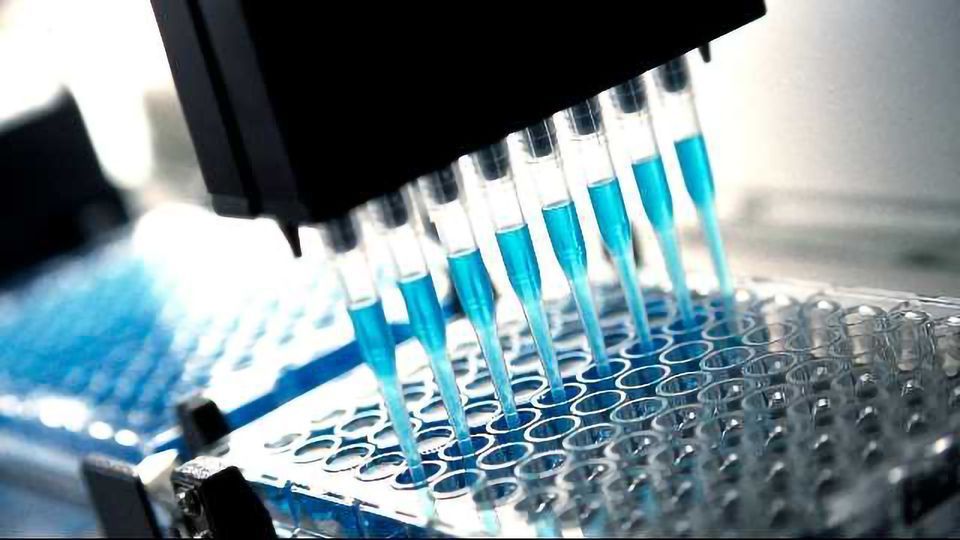
In the relentless pursuit of new therapeutics, speed and efficiency are paramount. High-Throughput Screening Market (HTS), a cornerstone of modern drug discovery, has evolved from a specialized tool into a multi-billion-dollar engine driving innovation. By allowing researchers to rapidly test hundreds of thousands of chemical compounds or biological agents against defined targets, HTS has dramatically compressed the early stages of drug development. The global HTS market is experiencing robust growth, fueled by technological convergence, rising R&D investments, and the urgent demand for novel treatments.
Market Landscape and Key Drivers
The global HTS market, valued at approximately USD 26-28 billion in 2024, is projected to grow at a compound annual growth rate (CAGR) of 7-9% through 2030. This expansion is underpinned by several powerful drivers:
-
The Drug Discovery Imperative: With patents expiring on blockbuster drugs and the increasing prevalence of complex diseases (cancer, neurodegenerative disorders, rare diseases), pharmaceutical and biotech companies are heavily investing in HTS to replenish pipelines and discover first-in-class therapies.
-
Technological Renaissance: HTS is no longer just about “screening faster.” The integration of artificial intelligence (AI) and machine learning (ML) is revolutionizing the process. AI models predict compound activity, design novel libraries, and analyze complex datasets, moving HTS towards “smarter” screening. Furthermore, the shift from traditional biochemical assays to more physiologically relevant cell-based assays and 3D organoids is yielding higher-quality hits with better translational potential.
-
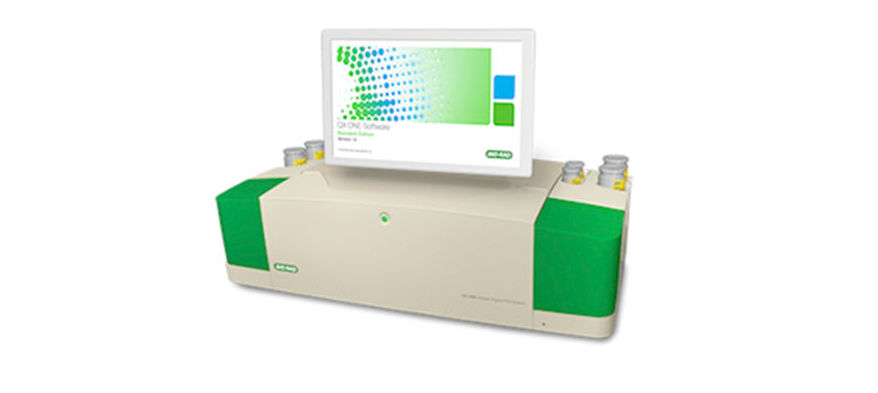
Miniaturization and Automation: The adoption of ultra-high-throughput screening (uHTS), nano-droplet technologies, and lab-on-a-chip platforms continues to reduce reagent costs and increase throughput. Coupled with advanced robotics and workflow automation software, this enables seamless, unattended operation of screening campaigns.
-
Government and Private Funding: Significant public and private initiatives worldwide, particularly in genomics and precision medicine, are providing direct and indirect stimulus for HTS infrastructure and services.
Key Market Segments
-
By Product & Service: The market is segmented into instruments (liquid handlers, detectors, readers), consumables (assay kits, reagents, microplates), software & services, and libraries. The consumables segment holds the largest share due to recurring demand, while services (especially outsourced screening) are the fastest-growing, as companies seek specialized expertise and cost flexibility.
-
By Technology: Key technologies include cell-based assays (dominant due to their physiological relevance), label-free detection (Biolayer Interferometry, SPR), and high-content screening (HCS), which combines HTS with automated imaging for multiparametric analysis.
-
By Application: Drug discovery remains the primary application. However, HTS is gaining strong traction in life sciences research (basic biology, toxicology) and other applications like agricultural chemistry and diagnostics.
-
By End-User: Pharmaceutical and Biotechnology Companies are the largest users. Academic and Government Research Institutes are significant contributors, often pioneering novel assay methodologies. Contract Research Organizations (CROs) are critical players, offering scalable, outsourced HTS capabilities.
Other Regionals-
https://www.zionmarketresearch.com/de/report/medium-chain-triglycerides-market
https://www.zionmarketresearch.com/de/report/digital-legacy-market
https://www.zionmarketresearch.com/de/report/fishing-nets-and-aquaculture-cages-market
https://www.zionmarketresearch.com/de/report/electric-submersible-pumps-market
https://www.zionmarketresearch.com/de/report/bromelain-market
Regional Insights
North America, led by the U.S., dominates the market, thanks to its concentration of major pharma giants, substantial R&D budgets, and early adoption of advanced technologies. Europe follows closely with a strong academic and industrial base. However, the Asia-Pacific region is poised for the highest growth, driven by expanding biotech sectors in China, India, and Japan, increasing government initiatives, and a growing trend of outsourcing to this cost-effective region.
Challenges and Restraints
Despite its promise, the HTS market faces hurdles:
-
High Capital Investment: Establishing an in-house HTS facility requires significant upfront and maintenance costs.
-
High Complexity of Assays: Developing robust, physiologically relevant assays for complex targets (like GPCRs or protein-protein interactions) remains challenging.
-
Data Deluge: The massive volumes of data generated require sophisticated bioinformatics tools and skilled personnel for meaningful interpretation.
-
Hit-to-Lead Attrition: The initial “hits” identified by HTS often fail in later stages due to poor pharmacokinetics or toxicity, driving the need for better primary assays.
Future Outlook: Integration and Intelligence
The future of HTS lies in seamless integration and enhanced intelligence:
-
Convergence with Omics: HTS will increasingly be informed by genomics, proteomics, and metabolomics data to create targeted, disease-relevant screening libraries.
-
Rise of Phenotypic Screening: There is a renewed focus on phenotypic screening to discover compounds with desired functional outcomes without prior target bias, complementary to target-based approaches.
-
Fully Automated, Connected Labs: The vision of the fully automated, “lights-out” screening lab, integrated with AI-driven design and analysis loops, is becoming a reality, promising unprecedented speed and efficiency.
-
Democratization through CROs and Cloud Platforms: Access to HTS capabilities will broaden for smaller biotechs and academic labs via specialized CROs and emerging cloud-based screening data platforms.
Conclusion
The High-Throughput Screening market is at an exciting inflection point. It is transitioning from a brute-force numbers game to a sophisticated, data-rich, and intelligent discovery ecosystem. As technologies converge and AI becomes deeply embedded, HTS will continue to be an indispensable catalyst for innovation, playing a critical role in translating biological insights into the life-saving therapies of tomorrow. For stakeholders across the pharmaceutical and biotechnology spectrum, staying abreast of these advancements is not just strategic—it is essential for competitive survival in the new era of drug discovery.